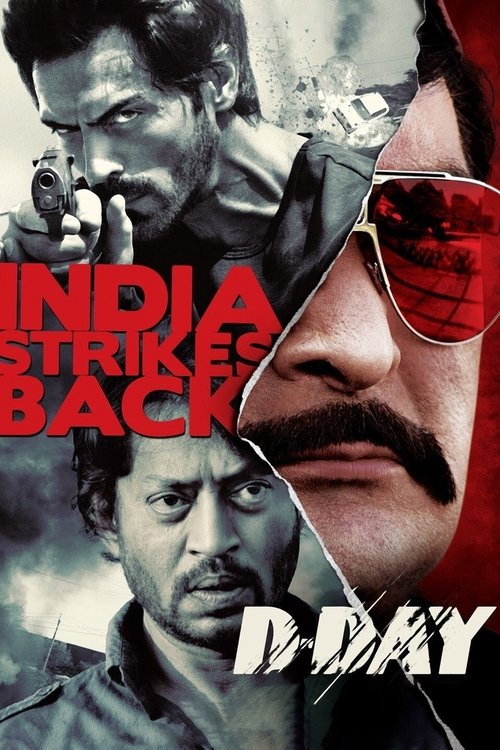
D-Day
2013
No user ratings available yet
Representation score: 3.7 out of 10
Representation Score
Fair
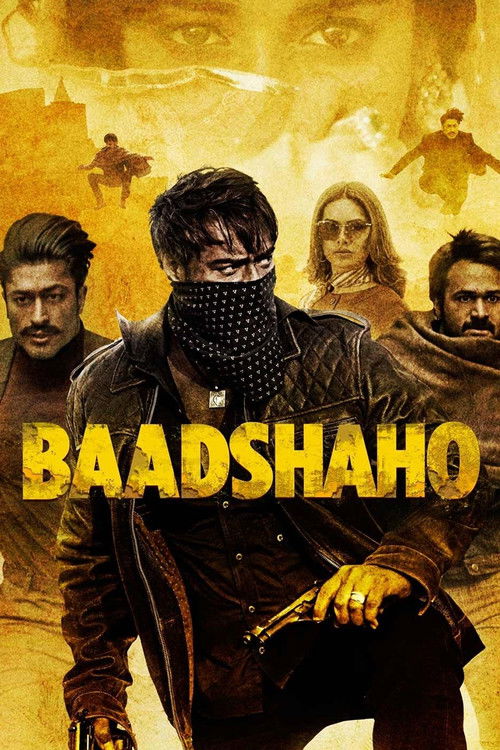
2017
TV-MADirector
Milan Luthria
Runtime
136 minutes
Average Rating
No ratings yetNew Showbiz Analysis
Baadshaho functions as a critique of systemic institutional failure, using the socio-political volatility of 1984 India to drive its narrative. By centering the Sikh experience during a period of targeted communal violence, the film offers a sophisticated exploration of ethnic identity and minority disenfranchisement. While the film does not engage with LGBTQ+ or disability-specific narratives, it gains depth by deconstructing state authority. It portrays the legal and police systems as unreliable or predatory, framing the breakdown of order as a consequence of institutional corruption. Ultimately, the film's strength lies in its ability to use historical instability to examine the precariousness of identity within a fractured state.
Category Breakdown
The film does not include any identifiable LGBTQ+ characters or narratives. The story focuses solely on communal and political identity politics.
Female characters play significant roles in high-stakes political scenarios rather than submissive archetypes. However, the narrative remains rooted in traditional gender conflicts.
The film centers the Sikh community's experiences during the 1984 riots, offering a nuanced look at how state instability affects specific ethnic demographics.
The narrative criticizes the failure of state institutions and the legal system. It explores the complexities of post-colonial identity through the lens of communal violence.
There is no focus on physical, sensory, or neurodivergent disabilities within the character arcs or plot.
Present on Screen
Limited or Absent
Official Synopsis
Emergency has been declared in India. Maharani Gitanjali from one of Rajasthan's princely states has already lost her privy purse. Now, she fears that she will lose the last treasure chest of gold which has been forcibly taken away from her. So she asks her trusted lieutenant, Bhawani to step in and plan a heist.
2013

2006

2017
2018

2021

2015
2011

2017
No reviews yet. Be the first to share your thoughts on this movie!
Use the rating form above to leave a star rating and optional review.