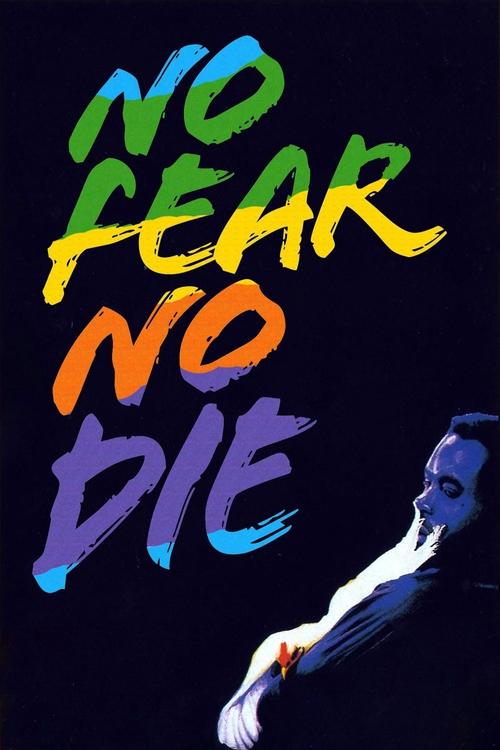
No Fear, No Die
1990
No user ratings available yet
Diversity score: 7.1 out of 10

2026
Director
Claire Denis
Runtime
107 minutes
Average Rating
No ratings yetSynopsis
A vast public works project in West Africa. Horn, the construction site manager, and Cal, a young engineer, share lodging behind the double gates of their compound. Leone, Horn’s recent bride, comes to join them the same night that a man appears at the fence. His name is Alboury. Like a specter in the darkness, he demands the body of his brother who died earlier that day on the site. He will hound the two men all night long until they return it, as Leone watches the disaster play out before her.
Overall Score
Good
Category Breakdown
LGBTQ+ Representation
The film avoids heteronormative comforts by focusing on fluid emotional states rather than rigid identity labels. While it lacks explicit non-cisnormative depictions, the cinematic language deconstructs traditional romantic structures.
Gender Representation
Leone serves as a central witness rather than a passive domestic figure. Her presence highlights the instability of male authority as she observes the collapse of control between Horn and Cal.
Racial & Ethnic Diversity
The production centers a West African setting with a diverse, non-Anglo-Saxon majority cast. This approach moves the narrative away from Western-centric perspectives to explore complex post-colonial dynamics.
Religious & Cultural Diversity
The story critiques Western-style industrial expansion through the tension between organized capitalist structures and disruptive elements. It avoids a singular moral framework by prioritizing subjective morality and systemic friction.
Disability Representation
There are no confirmed depictions of physical or neurodivergent disabilities. Alboury is described as a specter, which serves as a psychological narrative device rather than a medical portrayal.
Strengths
Areas for Improvement
AI Analysis
Claire Denis utilizes a high-stakes West African setting to explore the friction between institutional authority and individual grievance. The film successfully challenges Western dramatic tropes by centering a globalized reality and a diverse cast. The narrative strength lies in its atmospheric tension and its refusal to adhere to traditional, linear storytelling. By focusing on the psychological pressure within the construction compound, the film explores themes of territoriality and agency. While the film excels in racial and cultural representation, it remains moderate in LGBTQ+ and gender categories. It relies more on subtext and the female gaze to disrupt traditional hierarchies than on explicit identity politics.
1990

1988

2010

2005

2011

2023

2025

2020

2023

2022
2018

2008
No reviews yet. Be the first to share your thoughts on this movie!
Use the rating form above to leave a star rating and optional review.