
Muppet Video: The Kermit and Piggy Story
1985
No user ratings available yet
Representation score: 3.5 out of 10
Representation Score
Limited
1984
TV-PGDirector
Harvey S. Laidman
Runtime
55 minutes
Average Rating
No ratings yetNew Showbiz Analysis
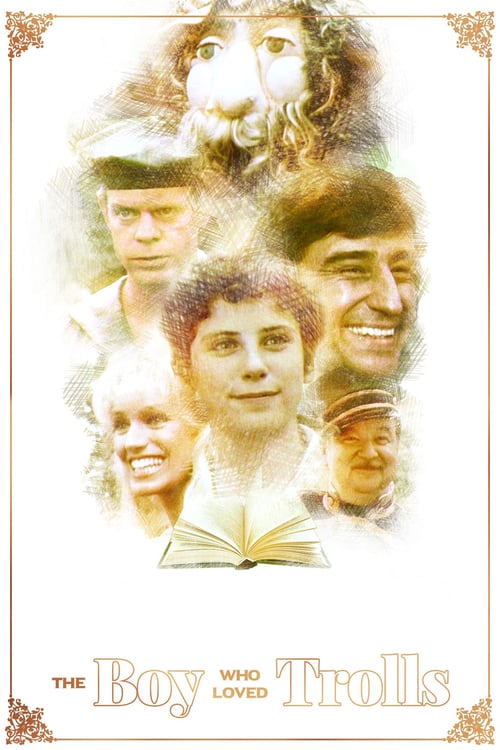
The film is a typical 1980s fantasy adventure, but it offers subtle thematic subversion. By focusing on mythological creatures rather than humans, it explores the protection of 'otherness' against industrial encroachment. The production lacks explicit markers of diverse identities but disrupts the traditional hierarchy of civilization versus nature through its environmental focus.
Category Breakdown
The film does not include any visible LGBTQ+ characters or stories about non-assuming gender matches what was assigned at birth identities. The narrative centers on a child's relationship with mythical creatures.
The main character is a boy who follows traditional male roles, but the mermaid Kalotte plays a crucial role in the story. Her actions drive much of the central conflict.
The film uses fantastical creatures like trolls and mermaids to represent 'otherness.' This diversity through non-human characters mirrors ethnic variety in the narrative.
The story critiques industrial expansion by portraying a bridge builder as an antagonist. This challenges Western ideas of progress by prioritizing magical ecosystems over industrial growth.
There is no clear depiction of disability in the film. A dying character is mentioned, but it is unclear if this is meant to explore illness or just serve as a plot device.
Present on Screen
Limited or Absent
Official Synopsis
Paul feels life should be an adventure, and sets out on one to prove that Trolls really exist.
1985
2009
1967
1979
2015
2022
1995

2010
No reviews yet. Be the first to share your thoughts on this movie!
Use the rating form above to leave a star rating and optional review.