Wound
2010
No user ratings available yet
Representation score: 5.9 out of 10
Representation Score
Good
2016
Director
Shiv Mohaa
Runtime
159 minutes
Average Rating
No ratings yetNew Showbiz Analysis
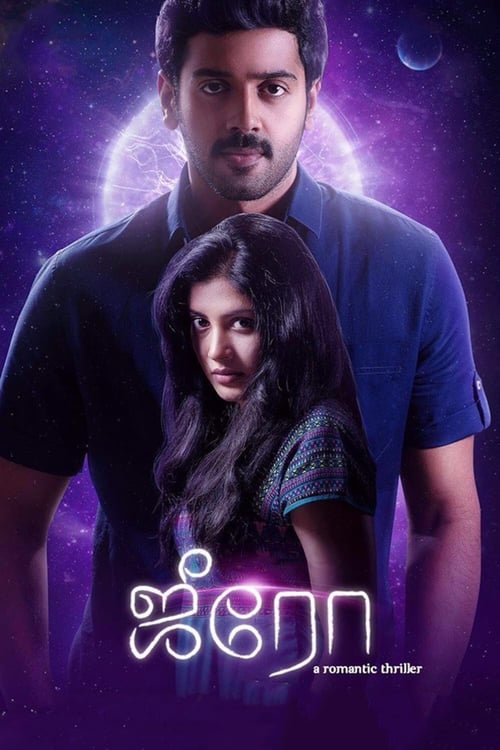
Zero stands out as a culturally authentic portrayal of Indian adolescence, rooted in the specific socioeconomic realities of the local educational system. Its strength lies in its localized perspective and its exploration of psychological complexity. However, the film stays within conventional boundaries regarding identity. It lacks intentional engagement with LGBTQ+ narratives and does not offer a radical deconstruction of political or social institutions. Ultimately, while the film offers a nuanced alternative to monolithic globalized media, its representation of disability and gender remains moderate rather than transformative.
Category Breakdown
The film centers on typical heterosexual social dynamics among teenagers. It doesn't include explicit LGBTQ+ stories or characters who don't identify as cisgender, sticking to traditional social norms.
The story looks at changing power dynamics between male and female students. By focusing on the emotional instability often linked to the female experience, it shifts away from purely male-dominated storytelling.
The production features a predominantly Indian cast set in a domestic boarding school. This provides a localized, authentic perspective that avoids the pitfalls of Western-centric casting.
The narrative critiques strict social structures through themes of teenage rebellion. However, it operates more as a small-scale look at social pressures rather than a direct critique of Western institutions.
The film touches on mental instability and the possible genetic link to psychological issues. It's unclear if these elements give characters real control over their lives or just serve as plot devices.
Present on Screen
Limited or Absent
Official Synopsis
A newly-wedded couple's domestic bliss is smashed to smithereens when the wife starts acting crazy. Has she become mentally unstable like her dead mother, or is there a sinister force at work?
2010
2020
2018

2017
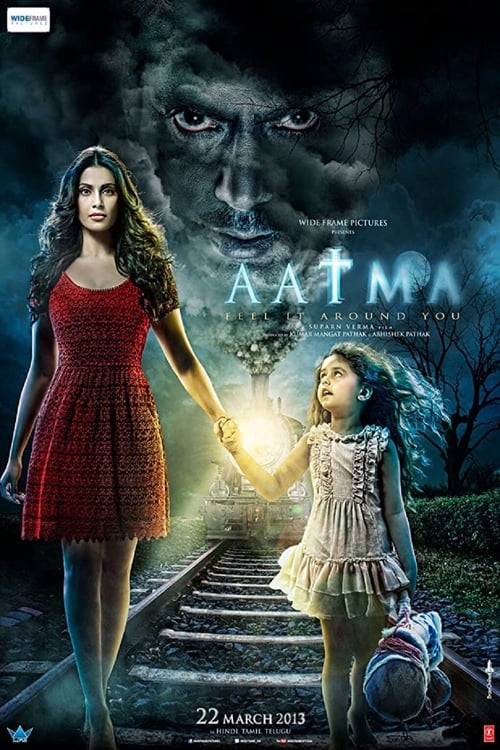
2013
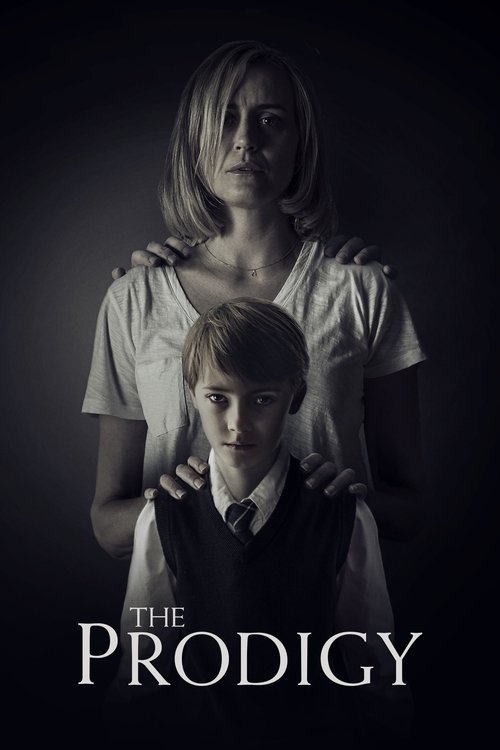
2019
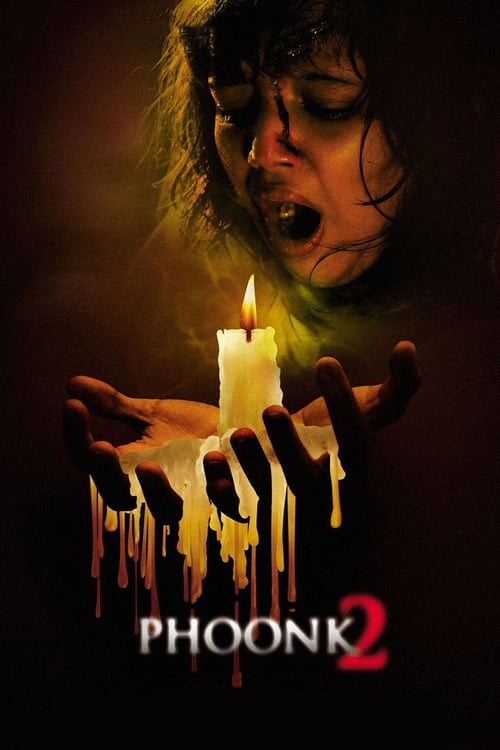
2010
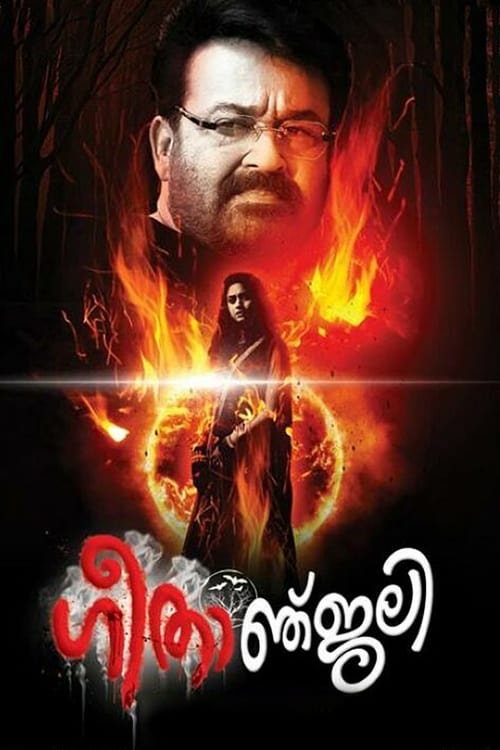
2013
No reviews yet. Be the first to share your thoughts on this movie!
Use the rating form above to leave a star rating and optional review.