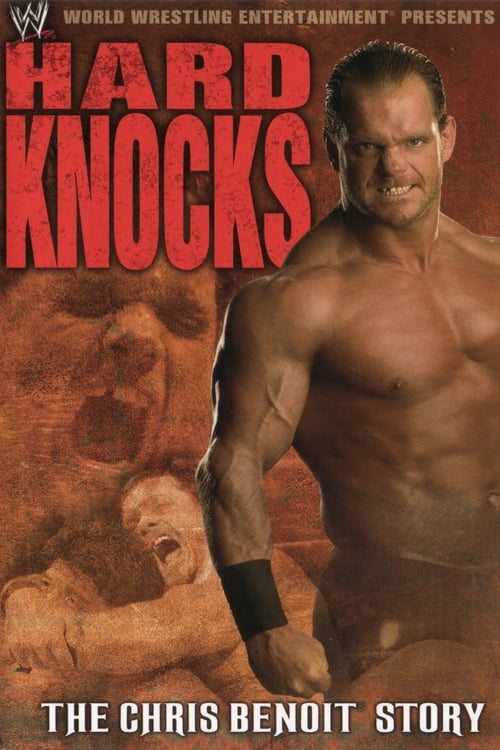
Hard Knocks : The Chris Benoit Story
2004
No user ratings available yet
Representation score: 2.8 out of 10

Representation Score
Limited
2010
TV-PGDirector
Kevin Dunn
Runtime
540 minutes
Average Rating
No ratings yetNew Showbiz Analysis
This biographical documentary primarily focuses on the professional journey and athletic achievements of Chris Jericho. The narrative structure revolves around a singular hero's journey, emphasizing brand loyalty and individual success. While the film provides a globalized context by covering Jericho's career in various countries, these locations serve mainly as backdrops for professional growth rather than platforms for deeper cultural or multi-layered critique. Ultimately, the production adheres to conventional storytelling focused on masculine success, lacking diverse representation or subversive themes.
Category Breakdown
The film focuses on the career of a male athlete without developing any LGBTQ+ characters or critiquing assumptions about straight relationships.
The movie centers on a male protagonist in a male-dominated industry, emphasizing physical strength and traditional leadership roles.
The story highlights the athlete's career in Mexico and Japan but does not deeply explore ethnic identities or cultural nuances.
The film follows a traditional Western biography structure, celebrating personal success within a commercialized entertainment industry.
The film does not address characters or situations involving physical or neurological differences.
Present on Screen
Limited or Absent
Official Synopsis
Chris Jericho has stolen the spotlight for nearly twenty years, becoming one of the most recognized WWE Superstars in sports-entertainment history. From his early days in Germany, Mexico, and Japan through ECW, WCW, and ultimately, WWE, Chris Jericho has demonstrated he is an exceptional talent in the ring and on the mic.
2004

2018

2012

2013
2010

2005

2012

1994
No reviews yet. Be the first to share your thoughts on this movie!
Use the rating form above to leave a star rating and optional review.