
Dog Food
2014
No user ratings available yet
Diversity score: 3.4 out of 10
2013
Director
Devaki Singh, Luke Kenny
Runtime
94 minutes
Average Rating
No ratings yetSynopsis
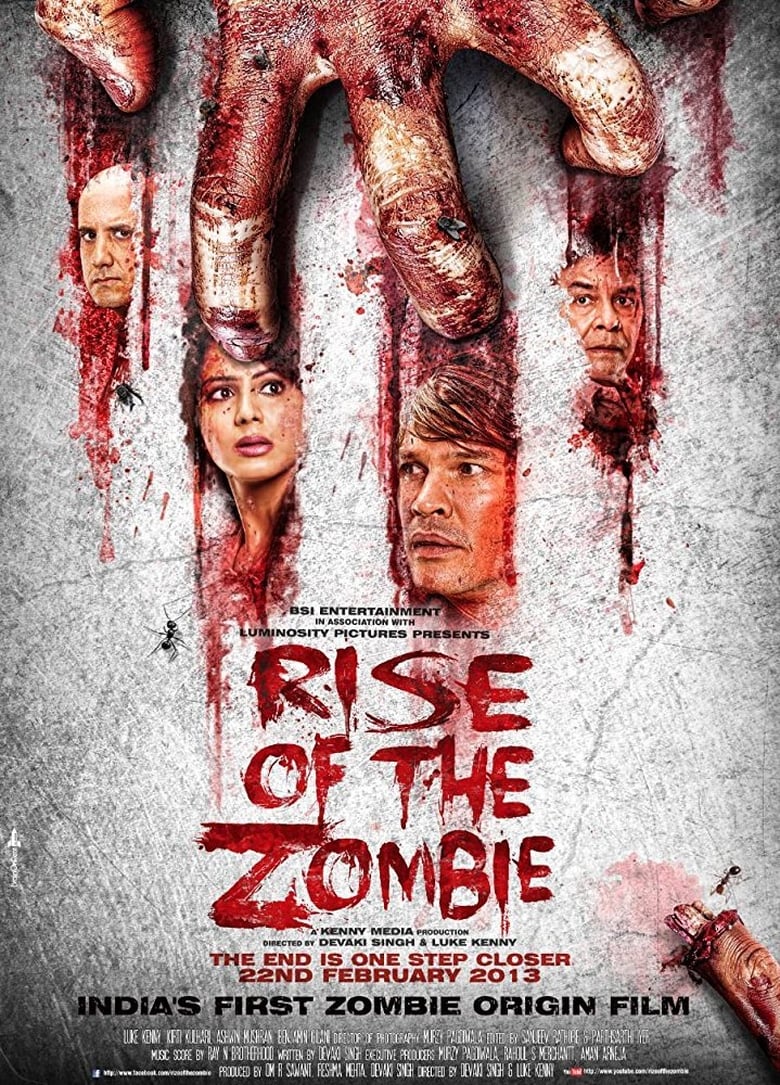
Neil Parker is a passionate wildlife photographer who pays more attention to his wildlife than his human life. as a result his relationships with the real world suffer. When his girlfriend walks out on him he resigns himself to isolation and nature. But a chance occurrence changes all that. Changes that he can't seem to handle, changes that seem to take his humanity away... changes that seem unable to change back? The story follow his journey into a darkness that has to be seen to be believed. A monster that seems to be rising out of the depths of desolation and agony... soulless, depraved and out of control.
Overall Score
Minimal
Category Breakdown
LGBTQ+ Representation
The film lacks LGBTQ+ characters or non-cisnormative identities. The central relationship follows a traditional heteronormative framework between the protagonist and his girlfriend.
Gender Representation
The narrative centers on a male protagonist's struggle with isolation. The female character serves primarily as a catalyst for his emotional state, following traditional tropes.
Racial & Ethnic Diversity
There is no information regarding the racial or ethnic composition of the cast. No multi-ethnic ensemble or intentional diversity is present in the available details.
Religious & Cultural Diversity
Themes of isolation and darkness focus on individual existentialism. The story avoids critiques of Western institutions, capitalism, or organized religion in favor of traditional horror.
Disability Representation
No neurodivergence or physical disabilities are portrayed with agency. The protagonist's transformation serves as a genre-specific plot device rather than a nuanced disability representation.
Strengths
Areas for Improvement
AI Analysis
Rise of the Zombie is a character-driven psychological horror that prioritizes individualistic themes of isolation and transformation. The story functions within conventional genre boundaries, focusing on a descent into darkness rather than social critique. The film lacks the narrative architecture necessary to support intersectional representation. It relies on traditional tropes, such as using a female partner to drive male character development, and offers no evidence of diverse casting or systemic subversion. Ultimately, the work is a narrow exploration of personal agony and zombification. It does not engage with broader social, racial, or cultural identities.
No reviews yet. Be the first to share your thoughts on this movie!
Use the rating form above to leave a star rating and optional review.