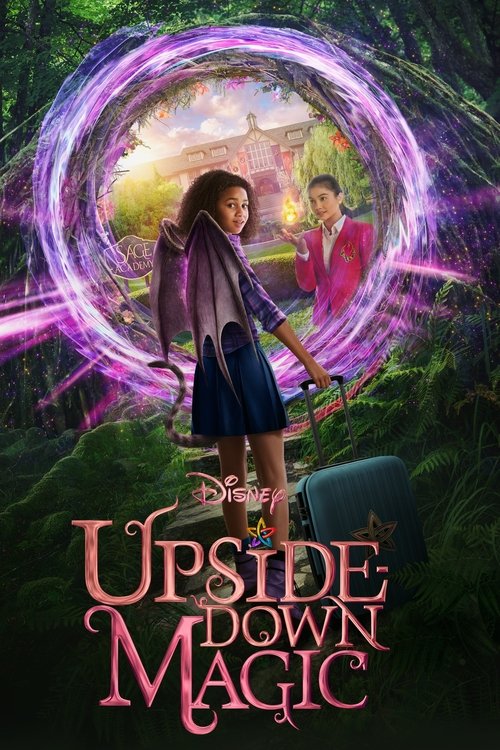
Upside-Down Magic
2020
No user ratings available yet
Representation score: 7.8 out of 10
Representation Score
Excellent
2022
PG-13Director
Paul Feig
Runtime
149 minutes
Average Rating
No ratings yetNew Showbiz Analysis
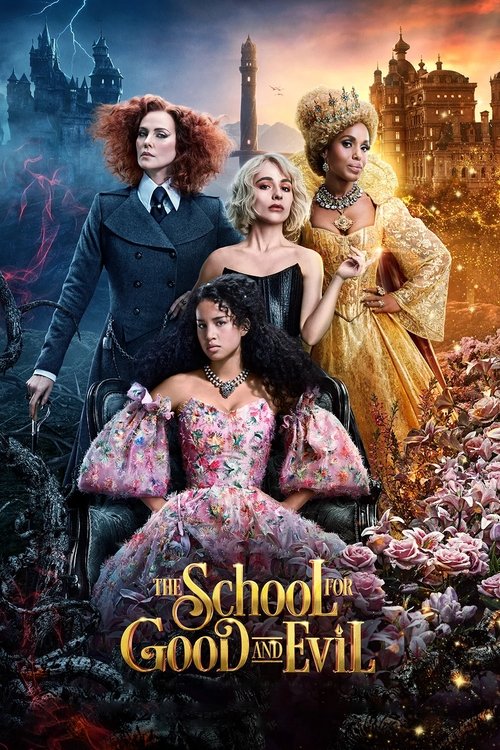
The film succeeds as a postmodern deconstruction of fairy tale archetypes. By centering the plot on the fluidity of identity, it disrupts conventional expectations of heroism and villainy. The narrative structure prioritizes the subversion of binary moralities over adherence to predetermined social roles. Its greatest strength lies in its systemic critique of the school itself. The institution acts as a metaphor for oppressive authority, forcing characters to rebel against rigid, categorizing labels. This provides a sophisticated exploration of how social structures attempt to define human nature. However, the film remains somewhat limited in its explicit representation. While it excels in gender subversion and cultural critique, it lacks prominent queer identities and focused explorations of disability, relying instead on broader clichés of social alienation.
Category Breakdown
The story focuses on the strong emotional connection between two female leads. Although it avoids explicit romantic arcs, it moves away from assumptions that everyone is straight or cisgender by emphasizing the female characters' ability to drive the story.
The film challenges traditional gender hierarchies by placing the fate of the world in the hands of a female friendship. Sophie and Agatha demonstrate significant autonomy, breaking down classic damsel and hero clichés.
A diverse ensemble cast populates the magical academy, avoiding the homogeneity of typical Western fairy tales. This inclusion provides a more globalized feel to the fantasy setting.
The narrative critiques institutionalized morality and rigid social constructs. It promotes moral relativism, framing the binary of Good versus Evil as a subjective, socially imposed system.
Characters are portrayed as misfits within the school's hierarchy, but there is little explicit representation of physical or neurodivergent disabilities. The misfit cliché serves social alienation rather than disability ability to act.
Present on Screen
Limited or Absent
Official Synopsis
Best friends Sophie and Agatha navigate an enchanted school for young heroes and villains — and find themselves on opposing sides of the battle between good and evil.
2020

2011
2005
2019
2013
2019
2024
2021
No reviews yet. Be the first to share your thoughts on this movie!
Use the rating form above to leave a star rating and optional review.