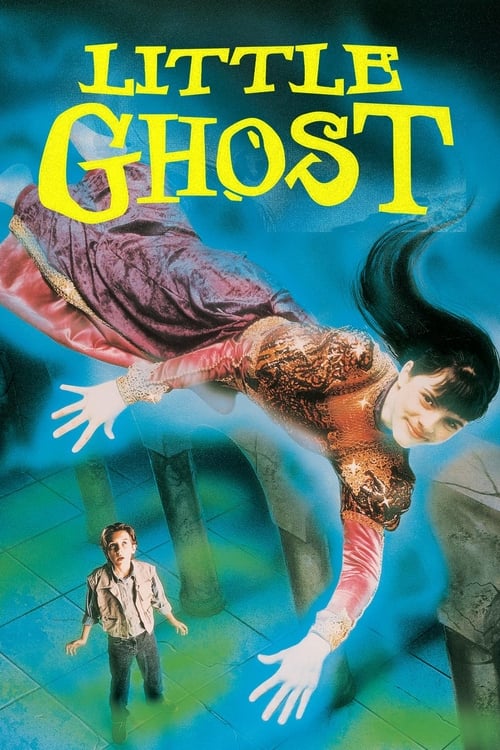
Little Ghost
1997
No user ratings available yet
Representation score: 3.7 out of 10

Representation Score
Good
1985
PGDirector
Michael Rubbo
Runtime
93 minutes
Average Rating
No ratings yetNew Showbiz Analysis
The Peanut Butter Solution stands out for its emphasis on Black identity and folklore, which was a radical departure from the cinematic norms of the mid-1980s. By using magical realism, the film elevates community-held knowledge and ancestral spirituality over Western institutional authority. While it lacks LGBTQ+ representation and does not explicitly address gender through comedy, it successfully disrupts patriarchal hierarchies by placing a female elder as the primary source of authority. The film's strength lies in its post-colonial narrative elements, which challenge dominant perspectives.
Category Breakdown
The film lacks LGBTQ+ characters or storylines. The narrative focuses exclusively on the protagonist and an elder figure within a folkloric framework.
The film features an elderly female character who holds significant wisdom and guidance, challenging traditional gender roles typically associated with male mentors. Her role is crucial in resolving the protagonist's personal crisis.
This film marks a significant shift from the standards of 1985, with an almost entirely Black cast. It integrates Black folklore into a contemporary setting, grounding the narrative in cultural heritage.
The movie emphasizes oral tradition and ancestral spirituality, presenting cultural wisdom as a communal resource rather than a scientific or capitalist product.
The protagonist experiences sudden hair loss, which becomes a transformative element driving the plot. He navigates his vulnerability through cultural means rather than a medicalized approach.
Present on Screen
Limited or Absent
Official Synopsis
Peanut butter is the secret ingredient for magic potions made by two friendly ghosts. Eleven-year-old Michael loses all of his hair when he gets a fright and uses the potion to get his hair back, but too much peanut butter causes things to get a bit hairy.
1997
1999
1996
1990

1993
2018
2009
1996
No reviews yet. Be the first to share your thoughts on this movie!
Use the rating form above to leave a star rating and optional review.