
Attacked Female Teacher
1983
No user ratings available yet
Representation score: 6.6 out of 10
Representation Score
Good
2024
Director
Koichiro Miki
Average Rating
No ratings yetNew Showbiz Analysis
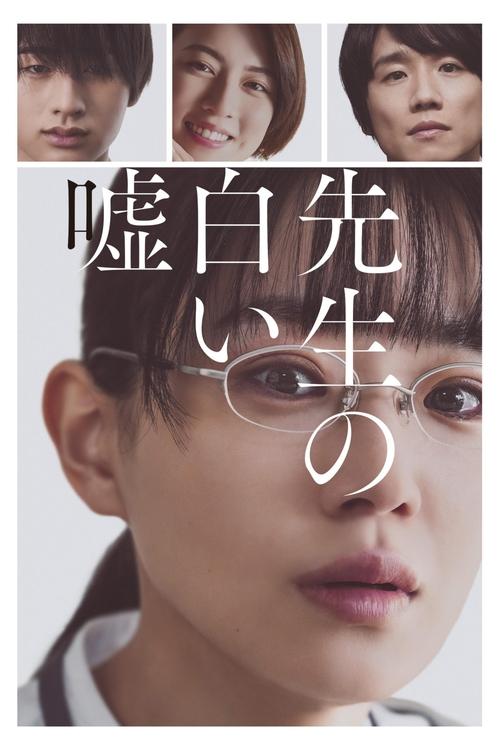
Sensei's Pious Lie is a psychological drama that emphasizes internal character complexity over demographic diversity. It successfully challenges traditional social morality and delves into the complexities of trauma. However, the film lacks breadth in terms of cultural diversity, focusing primarily on a homogeneous social context. While it provides a nuanced look at invisible disabilities and trauma, it does not offer significant representation of LGBTQ+ identities or racial diversity.
Category Breakdown
The film centers on a heterosexual relationship and does not depict any LGBTQ+ identities or non-straight relationships. There is no explicit portrayal of non-straight or non-cisgender dynamics.
Misuzu Hara is a complex female protagonist who navigates systemic trauma. The story challenges the nurturing teacher archetype by showing her profound psychological scars and significant role in driving the narrative.
The setting and cast reflect a homogeneous Japanese society. There is no evidence of racial diversity or non-white actors to disrupt traditional demographic norms.
The narrative critiques traditional social institutions and the concept of the family unit. It explores how established social structures often fail to address sexual violence.
The film examines invisible disability through the lens of PTSD. The protagonist's psychological distress is a central, driving force rather than a problem to be resolved.
Present on Screen
Limited or Absent
Official Synopsis
Misuzu Hara (Nao) works as a high school teacher and prefers to keep a distance from her students. In her past, she was raped by her best friend’s boyfriend Hayafuji after he found out she liked him. She didn't report the crime to the police and she didn't tell anyone else what happened. She still suffers from the trauma from what happened, but she continues to have a forceful relationship with Hayafuji who is now her best friend’s fiancee. One day, a rumor spreads that her student Yuki Niizuma is in a secret affair. Misuzu Hara, as his teacher, has a meeting with him to provide counseling.
1983

2014

1981
2013

2018

2004
2015
1982
No reviews yet. Be the first to share your thoughts on this movie!
Use the rating form above to leave a star rating and optional review.