ITIS Galileo
2012
No user ratings available yet
Representation score: 3.1 out of 10
Representation Score
Fair
2002
TV-PGDirector
Peter Jones
Runtime
60 minutes
Average Rating
No ratings yetNew Showbiz Analysis
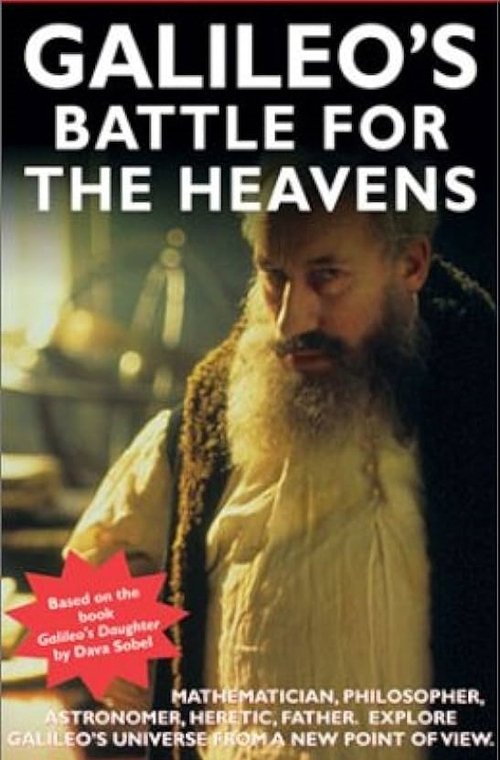
Galileo’s Battle for the Heavens succeeds as a revisionist historical documentary that shifts focus away from the 'great man' cliché. By centering the relationship between Galileo and his daughter, Maria Celeste, the film provides a rare look at women's ability to drive the story within a scientific era. While the film offers a sophisticated critique of religious authority and institutional power, it remains constrained by its historical setting. The lack of racial and LGBTQ+ diversity is a byproduct of the era's specific European context rather than a narrative choice. Ultimately, the documentary provides a meaningful disruption of traditional gender hierarchies, even if it lacks broader characters who reflect more than one aspect of diversity.
Category Breakdown
The film explores non-traditional family structures through the lens of an illegitimate child. However, it lacks explicit LGBTQ+ narratives or characters with LGBTQ+ identities.
The documentary disrupts patriarchal norms by centering Maria Celeste as a central intellectual and emotional anchor. It elevates a female figure from a footnote to a primary participant.
Set in the 17th century, the narrative is limited to a specific European historical context. There is no evidence of diverse casting or non-Anglo-Saxon perspectives.
The story critiques institutional power by highlighting the tension between scientific inquiry and the Church. It offers a nuanced view of historical social morality and systemic barriers.
The narrative contains no mention of characters or subjects navigating physical, sensory, or neurodivergent disabilities.
Present on Screen
Limited or Absent
Official Synopsis
Based on Dava Sobel’s bestselling book, Galileo’s Daughter, this documentary reveals a new side to the famously stubborn scientist – that his closest confidante was his illegitimate daughter, Sister Maria Celeste, a cloistered nun.
2012

2018
2009
2013

2013
2008

2013
2016
No reviews yet. Be the first to share your thoughts on this movie!
Use the rating form above to leave a star rating and optional review.