
Retour Madrid
1968
No user ratings available yet
Representation score: 1.4 out of 10
Representation Score
Limited
1978
Director
Jacques Tati, Sophie Tatischeff
Runtime
26 minutes
Average Rating
No ratings yetNew Showbiz Analysis
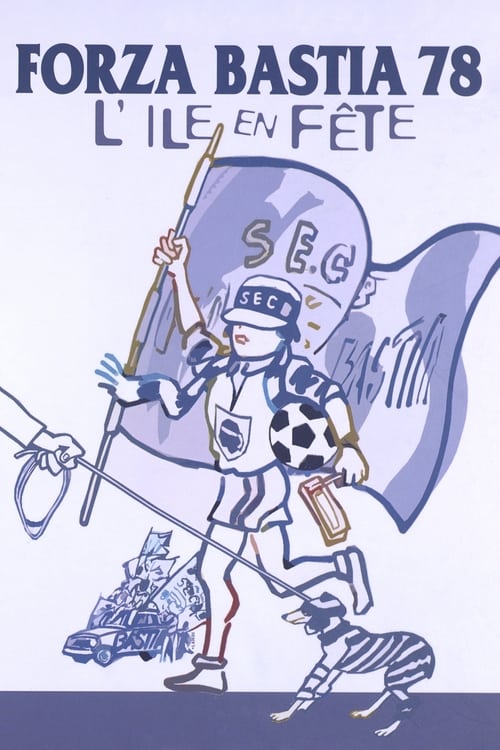
Forza Bastia serves as a snapshot of 1978 football culture. As an observational sports documentary, it lacks the narrative structure needed for complex character development or identity exploration. The film adheres to the social norms of its time, functioning primarily as a historical document of a specific sporting event rather than a platform for social commentary or progressive themes. Ultimately, the representation reflects the socio-demographic realities of the period, capturing the rituals of organized competition and local enthusiasm without attempting to challenge existing norms.
Category Breakdown
The film captures the excitement of a football match and the atmosphere of the stadium. However, it does not include stories or characters that explore LGBTQ+ experiences, non-binary gender identities, or same-sex relationships.
The story focuses on a male-dominated sporting environment. Male athletes and spectators play the most significant roles, reinforcing the traditional gender dynamics of 1970s football.
The film includes players and spectators from various ethnicities typical of the era, reflecting a standard European demographic. However, it does not prioritize diverse casting that considers multiple aspects of identity.
The film highlights the spectacle and regional pride associated with the UEFA Cup match. It focuses on the cultural aspects of the game without critiquing institutions or traditions.
The film does not address individuals with physical or neurodivergent disabilities. It emphasizes the athletic abilities of the players, excluding disability as a narrative element.
Present on Screen
Limited or Absent
Official Synopsis
A sports documentary short covering the soccer match for the UEFA cup of 1978, with the French Corsican team Bastia playing against the PSV Eindhoven club from the Netherlands.
1968

2022
1897

2019

1975
2013

2020

2016
No reviews yet. Be the first to share your thoughts on this movie!
Use the rating form above to leave a star rating and optional review.