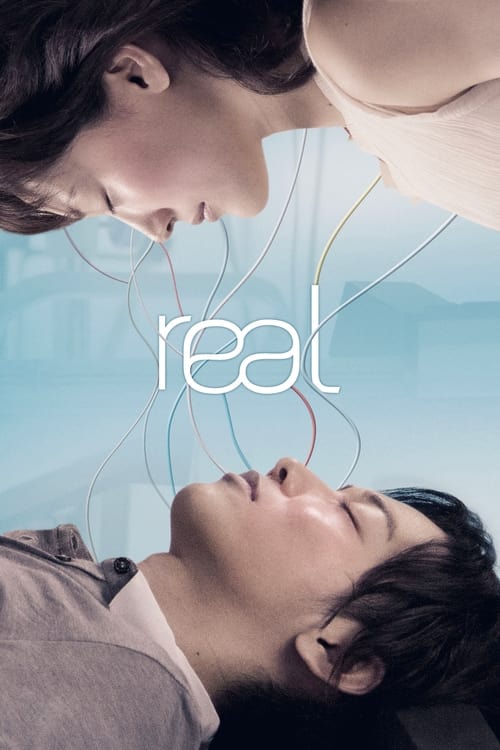
Real
2013
No user ratings available yet
Representation score: 4.9 out of 10

Representation Score
Good
2017
RDirector
Kiyoshi Kurosawa
Runtime
129 minutes
Average Rating
No ratings yetNew Showbiz Analysis
Kiyoshi Kurosawa’s film is a sophisticated postmodern work that prioritizes philosophical and systemic critique over demographic representation. It uses a surrealist lens to deconstruct social stability and the fragility of the individual. The film dismantles traditional social hierarchies and explores moral relativism, achieving progressive value. However, it lacks explicit identity-based inclusion, particularly in LGBTQ+ visibility and disability representation. Ultimately, the work serves as a critique of dehumanizing modern social organizations rather than a platform for diverse character archetypes.
Category Breakdown
The film doesn't prominently feature LGBTQ+ characters or explore non-cisgender identities. Despite its sci-fi premise, it misses the opportunity to include queer visibility.
The story upends traditional gender roles by removing social utility from characters. As invaders take over, traditional masculine leadership and feminine domesticity become irrelevant.
Set in Tokyo, the cast remains mostly homogeneous. The film avoids racial stereotypes but does not blend ethnicities to enrich the narrative.
The film effectively critiques modern systemic issues and late-stage capitalism. It highlights the breakdown of traditional authority and the alienation of individuals in urban settings.
The film does not focus on visible or invisible disabilities. Characters are defined by a loss of identity and ability to act rather than by neurodivergence or physical conditions.
Present on Screen
Limited or Absent
Official Synopsis
Narumi is on bad terms with her husband, Shinji, when, one day, Shinji goes missing. He comes back a couple of days later, but he seems like a totally different person, and he is now gentle and tender. He goes for a walk every day. Meanwhile, journalist Sakurai covers the story of a family that was brutally murdered, when an unexplained phenomenon takes place.
2013
2010
2017

1997

2015

2011
2016
1999
No reviews yet. Be the first to share your thoughts on this movie!
Use the rating form above to leave a star rating and optional review.