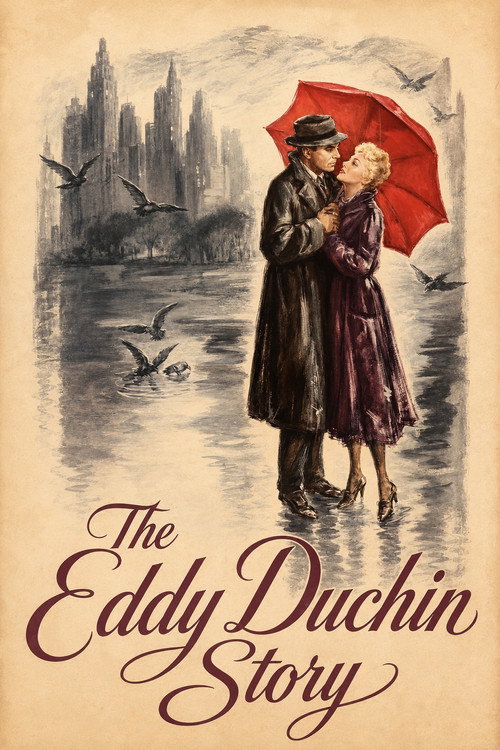
The Eddy Duchin Story
1956
No user ratings available yet
Representation score: 0.4 out of 10

Representation Score
Limited
1980
PGDirector
Taylor Hackford
Runtime
117 minutes
Average Rating
No ratings yetNew Showbiz Analysis
The Idolmaker serves as a cynical deconstruction of the American Dream rather than a broad social tapestry. While it falls short in providing diverse demographics, it excels in offering a sophisticated critique of institutional corruption and capitalist exploitation. The film's strength lies in its subversion of power dynamics through its female lead. However, the lack of racial and LGBTQ+ representation confines the social scope to a narrow, historically insulated perspective. Ultimately, the film prioritizes thematic depth over demographic breadth, focusing on the dehumanizing nature of professional success and the erosion of ethical boundaries in the music business.
Category Breakdown
The film does not include any LGBTQ+ characters or relationships outside of traditional heterosexual ones. The romantic and personal interactions stay within conventional heterosexual norms.
Nicky Marotta presents a strong counterpoint to traditional gender roles. Although the male character initially holds power, the female protagonist gains significant influence and intellectual weight.
The cast is primarily composed of white actors, mirroring the homogeneous demographics of the 1960s music industry. The story lacks characters of color or perspectives that consider multiple aspects of identity.
The film offers a powerful critique of capitalist structures, depicting the music industry as a predatory machine that commodifies human emotions and identities.
No visible or hidden disabilities are shown. The film does not address neurodivergence or physical disabilities in its themes.
Present on Screen
Limited or Absent
Official Synopsis
Based on the life of rock promoter/producer Bob Marucci, who discovered, among others, Frankie Avalon and Fabian.
1956
1978

2011

1954

2023

2004
1988
2015
No reviews yet. Be the first to share your thoughts on this movie!
Use the rating form above to leave a star rating and optional review.