The Goblin
2022
No user ratings available yet
Representation score: 3.2 out of 10
Representation Score
Minimal
2016
Director
Shin Jai-ho
Runtime
97 minutes
Average Rating
No ratings yetNew Showbiz Analysis
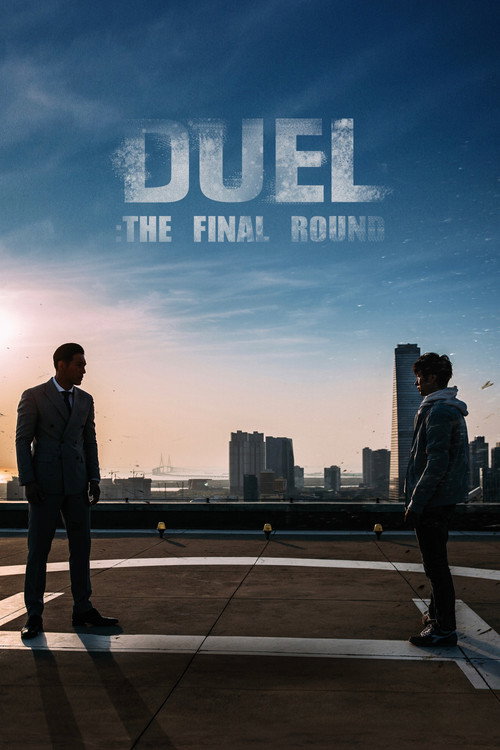
Duel: Final Round is a conventional martial arts film that prioritizes genre clichés over challenging social norms. The narrative follows a linear path of vengeance and physical prowess, focusing on the mentor-protege dynamic. The film relies heavily on masculine archetypes, with the plot driven by male dominance and retribution. This focus limits the opportunity for multi-layered representation or the inclusion of diverse perspectives. While the film maintains a specific South Korean cultural identity, it lacks depth in representing varied identities or critiquing systemic power dynamics. It functions primarily as a traditional action piece.
Category Breakdown
The film focuses on a fraternal bond and a male-centric revenge storyline. There is no representation of non-straight or non-cisgender identities, nor any critique of the assumption that everyone is straight or cisgender.
The story centers on masculine archetypes such as the brave officer and the vengeful brother. The plot is driven by male physical dominance and traditional pursuits of honor.
As a South Korean production, the film maintains a localized cultural identity. It presents a culturally specific setting without evidence of diverse ethnic blending.
The story adheres to traditional motifs of justice through combat and mentorship. It operates within a standard framework of personal morality and retribution.
A character's coma serves as a plot device to catalyze the revenge storyline. There is no nuanced exploration of disability or characters possessing independent ability to act.
Present on Screen
Limited or Absent
Official Synopsis
Kang-Ho is a famous cop in town because of his braveness. One day, a battered body floats on the river and Kang-Ho goes out to meet the murder suspect alone. Unlike his confidence, he gets badly beaten up, falling into a coma. His younger brother Poong-Ho, bursting with rage, tracks down the man asking for a battle, only to find out that he is no match for this guy. Afterwards, Poong-Ho bumps into a mysterious guy Mr. HWANG, who appears as a skinny old man but possesses the power and techniques of the drunken master. Poong-Ho begs for his teaching and begins his training for revengeful final battle. Will Poong-Ho get his payback?
2022

2014
1991
1995
1972
2020
2006
2021
No reviews yet. Be the first to share your thoughts on this movie!
Use the rating form above to leave a star rating and optional review.