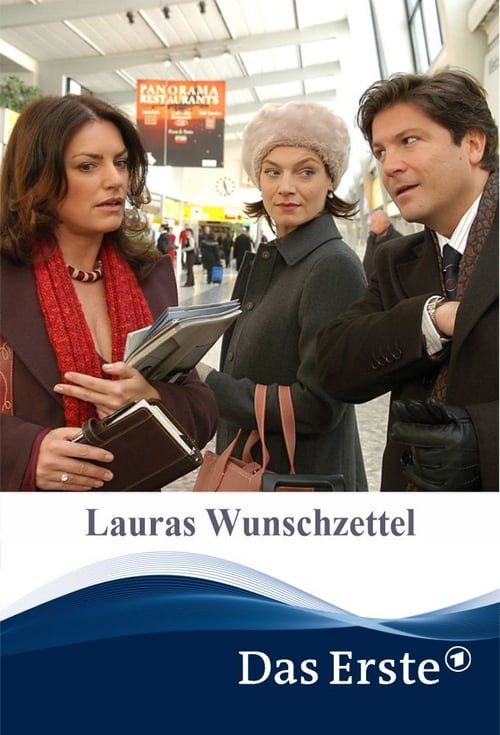
Lauras Wunschzettel
2005
No user ratings available yet
Representation score: 2.5 out of 10

Representation Score
Limited
2005
Director
Karola Hattop
Runtime
88 minutes
Average Rating
No ratings yetNew Showbiz Analysis
Wink des Himmels operates as a conventional romantic drama centered on intimate, character-driven storytelling. The film prioritizes traditional emotional arcs and localized social structures rather than systemic critique or characters who reflect more than one aspect of diversity. The narrative relies heavily on established clichés, focusing on family reconstruction and domestic stability. While it offers meaningful character development, it remains within a culturally homogeneous and straight-centered framework. Ultimately, the film serves a standard genre purpose, providing a localized look at romance and loss without expanding its demographic or social scope.
Category Breakdown
The story follows a traditional heterosexual romantic arc. There is no evidence of LGBTQ dynamics or non-binary gender identities within the primary plot.
Paula is depicted as an independent professional who play a significant role in driving the story. Her ability to pause her life and travel provides a moderate level of female autonomy.
The setting and character backgrounds suggest a homogeneous European cast. The film appears to adhere to traditional, localized demographic norms without multi-ethnic casting.
The narrative focuses on the restorative power of companionship and the nuclear family. It avoids religious dogma but does not deconstruct Western social institutions.
There are no visible or invisible disabilities mentioned in the narrative. No characters are identified as neurodivergent or physically disabled.
Present on Screen
Limited or Absent
Official Synopsis
Seven-year-old Moritz lives with his father Ben Sanddorn in Saxon Switzerland. Since the death of his mother many years ago, he has wanted nothing more than a new mother and, of course, a new wife for his father. And so he sends his pigeon Sammy on a search. Sammy flies to Salzburg, where the Sanddorn family used to live, and ends up with architect Paula. She is about to get married, but first she wants to take a break and bring the pigeon back. Paula spends a few days at Ben's guesthouse and makes friends with Moritz. She is fascinated by the introverted, likeable Ben and her emerging feelings are reciprocated by him. A loving romance develops, which Moritz pursues with enthusiasm. But then the budding love almost falls victim to an intrigue.
2005

2015

1999

2008

1996
2015

2002
2018
No reviews yet. Be the first to share your thoughts on this movie!
Use the rating form above to leave a star rating and optional review.