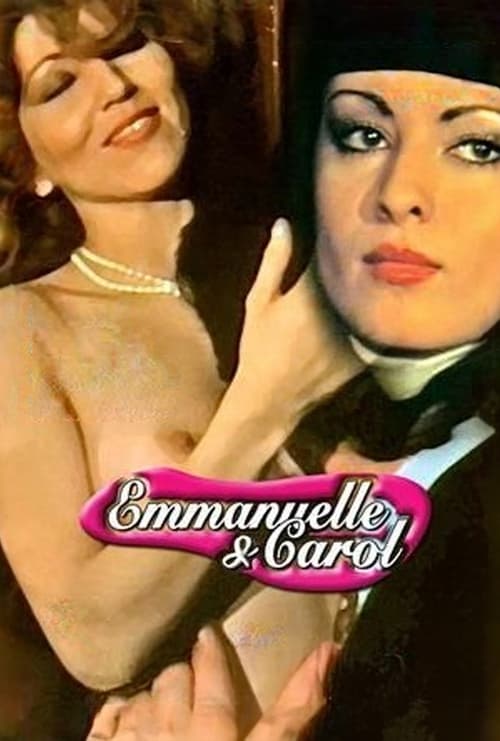
Emmanuelle & Carol
1978
No user ratings available yet
Representation score: 4.7 out of 10
Representation Score
Fair
1975
Director
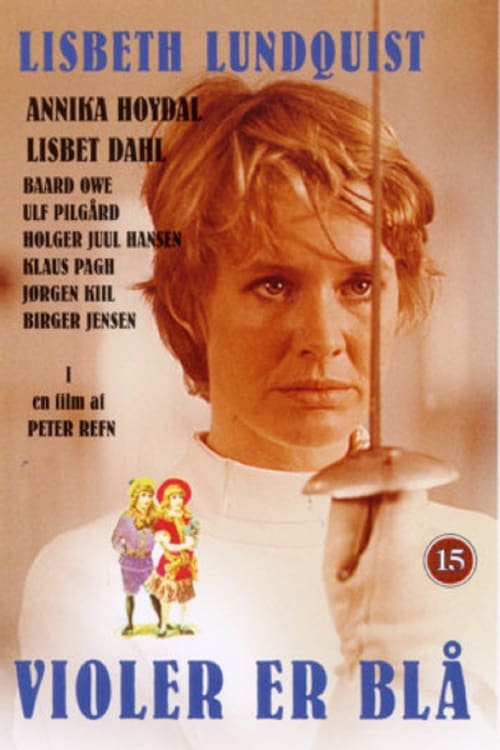
Peter Refn
Runtime
120 minutes
Average Rating
No ratings yetNew Showbiz Analysis
Violets Are Blue explores 1970s social liberation through character-driven storytelling. By focusing on women's intellectual and sexual autonomy, the film challenges traditional domestic norms. The inclusion of a bisexual character within the central intellectual discussions highlights the importance of queer identity in the broader feminist movement of the time. However, the lack of information about racial and disability diversity limits a comprehensive assessment of the film's inclusivity.
Category Breakdown
The film includes Suzanne, a bisexual intellectual, who plays a key role in the central discussions about social freedom.
Women's ability to drive the story is a main focus, especially Mille's rejection of marriage restrictions. The narrative challenges traditional household dynamics and gender norms.
The provided information does not specify the racial or ethnic composition of the cast. No data is available to assess this category.
The story criticizes traditional Western institutions like the nuclear family, emphasizing individual freedom and breaking down established social morals.
There is no evidence regarding the inclusion of characters with visible or invisible disabilities in this work.
Present on Screen
Limited or Absent
Official Synopsis
TV reporter Mille wants to be liberated from matrimonial restraints and have more than one man in her life. She spends time with her friends, bisexual intellectual Suzanne and prostitute Lise. They mostly talk about men and women's lib.
1978

1956
1971
1977
1971
1977
1965
1971
No reviews yet. Be the first to share your thoughts on this movie!
Use the rating form above to leave a star rating and optional review.