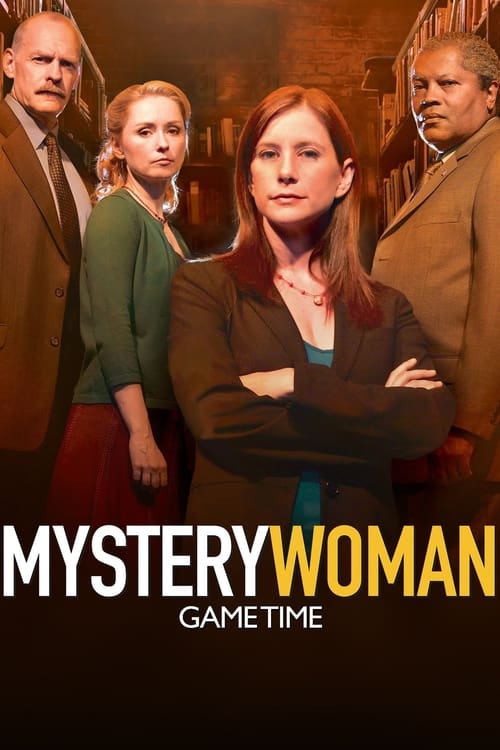
Mystery Woman: Game Time
2005
No user ratings available yet
Representation score: 2.8 out of 10
Representation Score
Fair
1997
TV-PGDirector
Neema Barnette
Runtime
96 minutes
Average Rating
No ratings yetNew Showbiz Analysis
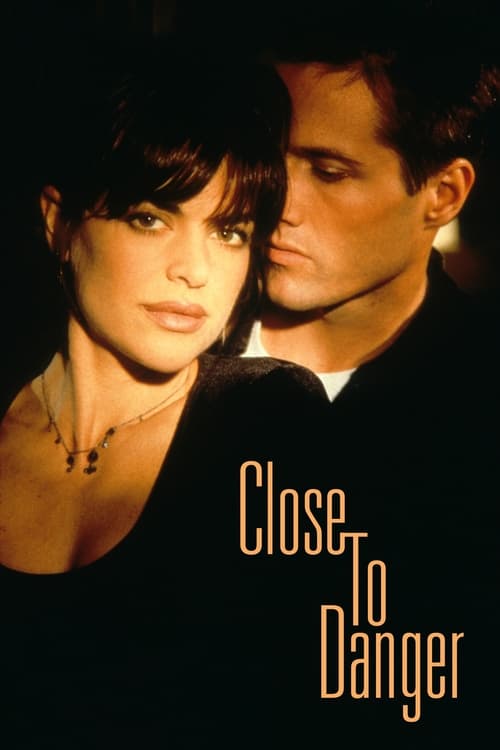
Close to Danger stands out for its subversion of the psychological thriller genre by centering a female protagonist. Rinna is not a passive victim but an intellectual force capable of deconstructing the novelist's dangerous intentions. The film benefits from Neema Barnette's direction, which historically prioritizes diverse perspectives. However, the film lacks visible LGBTQ+ representation and does not feature characters with disabilities. While it succeeds in gendered ability to act, it remains focused on a narrow psychological conflict.
Category Breakdown
The film does not include any explicit LGBTQ+ characters or relationships that challenge traditional heterosexual norms.
Rinna, a female college student, serves as the main character and intellectual force. This shifts the traditional thriller dynamic by making a woman the active observer navigating danger.
The production includes diverse casting, likely featuring characters of color in central, actively leading roles.
The story explores the blurring of fiction and reality through psychological manipulation. It presents the tension between a student and an intellectual figure as a critique of ego.
There is no evidence of characters with physical, sensory, or neurodivergent disabilities.
Present on Screen
Limited or Absent
Official Synopsis
A college student (Rinna) typing a manuscript for a novelist (Estes) begins to realize he's planning to carry out the murder mystery in real life.
2005

1982
2023
1990
1990
1994
2011
2019
No reviews yet. Be the first to share your thoughts on this movie!
Use the rating form above to leave a star rating and optional review.