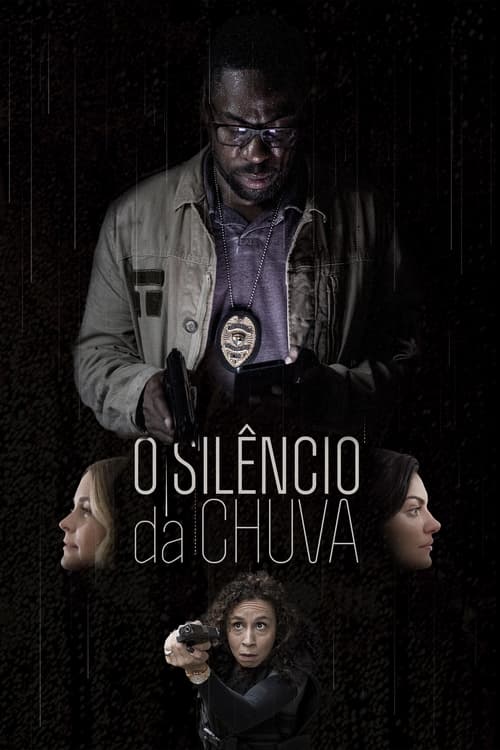
The Silence of The Rain
2020
No user ratings available yet
Diversity score: 4.2 out of 10
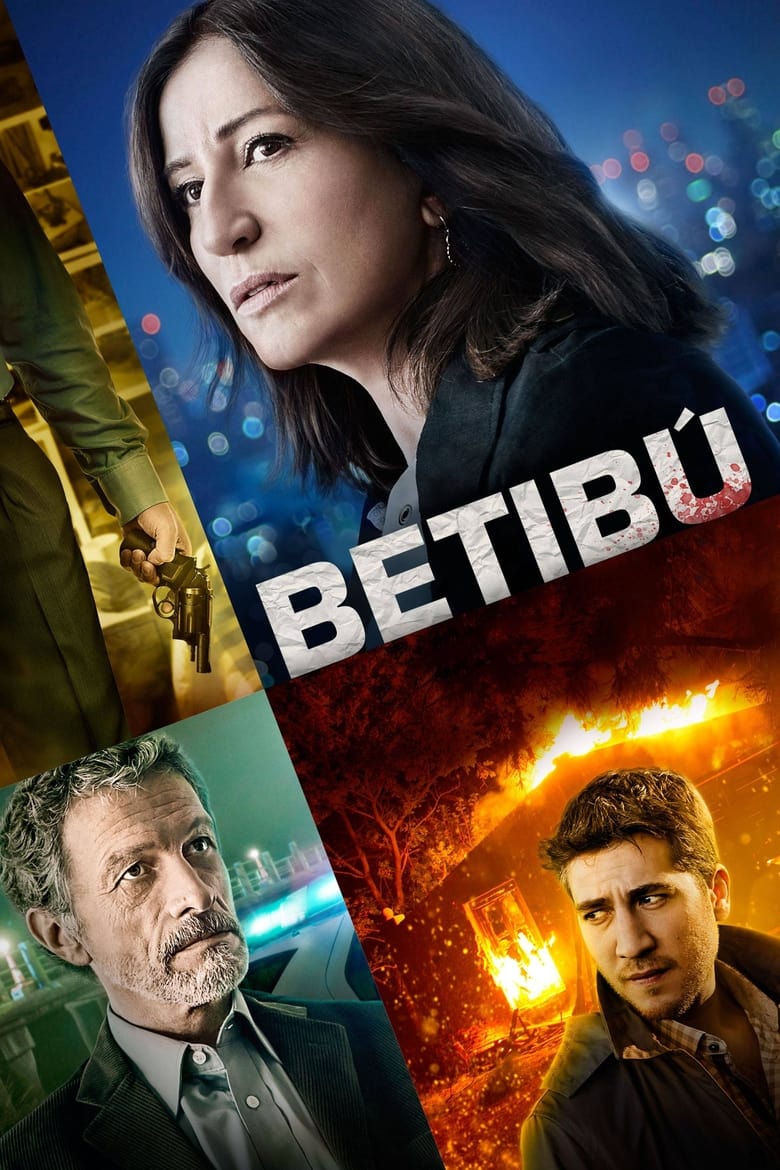
2014
Director
Miguel Cohan
Runtime
100 minutes
Average Rating
No ratings yetSynopsis
Once Pedro Chazarreta found murdered in the wonderful gated, El Tribuno newspaper hires retired detective novelist Nurit Iscar/Betibù that is installed in the area and a series of newspaper columns about the case. Along with the Chief of police of the newspaper, Mariano Saravia, and a veteran journalist, Jaime Breña, Betibù starts to investigate the murder. Using an old photo of the adolescence of Chazarreta, which shows him with fellow high school, the Group discovers an apparent connection between this murder and a succession of apparently trivial deaths of members of the photo. At the same time, Betibù must face its past emotional with the editor of the newspaper, Lorenzo Rinaldi, who seeks to restore the relationship.
Overall Score
Fair
Category Breakdown
LGBTQ+ Representation
The film lacks explicit queer visibility or non-cisnormative identities. The narrative architecture focuses on detective mystery and psychological tension rather than exploring LGBTQ+ themes.
Gender Representation
Nurit Iscar provides female agency as an intellectual authority in a male-dominated genre. However, the plot relies on traditional interpersonal dynamics and emotional connections with male figures.
Racial & Ethnic Diversity
As an Argentine production, the film maintains regional authenticity. The cast and setting reflect local demographics, avoiding the homogeneous Western norms often found in Hollywood exports.
Religious & Cultural Diversity
The story functions as a standard psychological mystery. It remains neutral regarding socio-political frameworks and does not actively critique traditional institutions like religion or family.
Disability Representation
Themes of psychological instability serve as genre tropes for tension. The film does not provide agency to characters with disabilities or focus on disability as a lived identity.
Strengths
Areas for Improvement
AI Analysis
Betibú is a genre-driven psychological thriller that prioritizes atmospheric tension over social commentary. While it avoids harmful stereotypes, it does not actively engage with intersectional identity politics or disrupt traditional social hierarchies. The film succeeds in providing a female-led investigative perspective and maintains a sense of regional authenticity. These elements offer a grounded experience within its specific Argentine context. However, the narrative lacks intentionality regarding progressive representation. It operates within a traditional dramatic framework that misses opportunities to explore diverse identities or systemic social critiques.
2020
1999

2015

1966
1961

2015

2019

2018

2018
2007

2014
2012
No reviews yet. Be the first to share your thoughts on this movie!
Use the rating form above to leave a star rating and optional review.