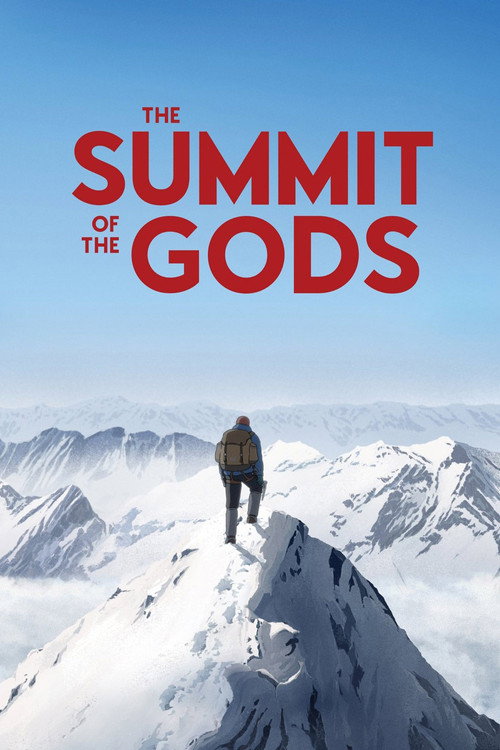
The Summit of the Gods
2021
No user ratings available yet
Representation score: 8.2 out of 10
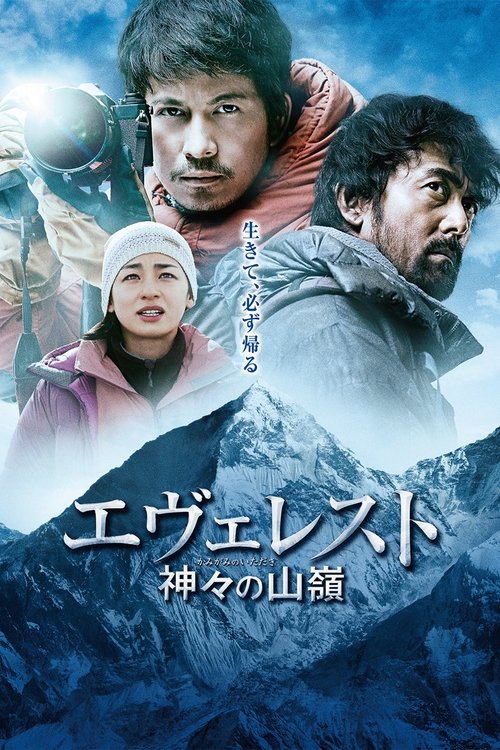
Representation Score
Fair
2016
Director
Shinsuke Sato
Runtime
123 minutes
Average Rating
No ratings yetNew Showbiz Analysis
Everest: The Summit of the Gods is a character-driven drama that emphasizes psychological depth over diverse representation. The narrative structure focuses on the fragmentation of time and memory, avoiding the deconstruction of societal hierarchies. While the film avoids harmful stereotypes, it does not intentionally challenge traditional norms. The storytelling approach favors personal obsession over progressive identity politics.
Category Breakdown
The film does not include any characters or storylines that explore LGBTQ+ identities or experiences.
The story revolves around male characters who drive the plot through their professional ambitions and personal losses. It does not significantly challenge traditional masculine roles.
The film focuses on Japanese characters and their connection to memory. Despite being set in Nepal, the main characters and their ability to act remain largely homogeneous without exploring diverse cultural backgrounds.
The story emphasizes the relationship between individuals and nature, rather than delving into religious or cultural institutions.
The film does not depict any characters with visible or invisible disabilities. The central struggles revolve around psychological grief and obsession.
Present on Screen
Limited or Absent
Official Synopsis
Makoto Fukamachi is a Japanese cameraman. He finds an old camera on a backstreet of Nepal. The camera might possibly solve the mystery of whether George Mallory became the first person to successfully climb Mount Everest on June 8, 1924 or not. Pursuing the old camera's past, Makoto Fukamachi meets legendary Alpinist Joji Habu. Joji Habu is isolated from other people because of his reckless and thoughtless personality.
2021
2013
2020
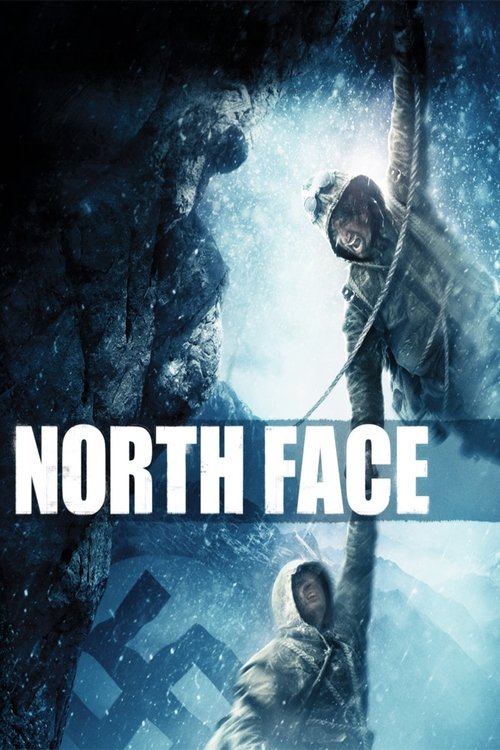
2008
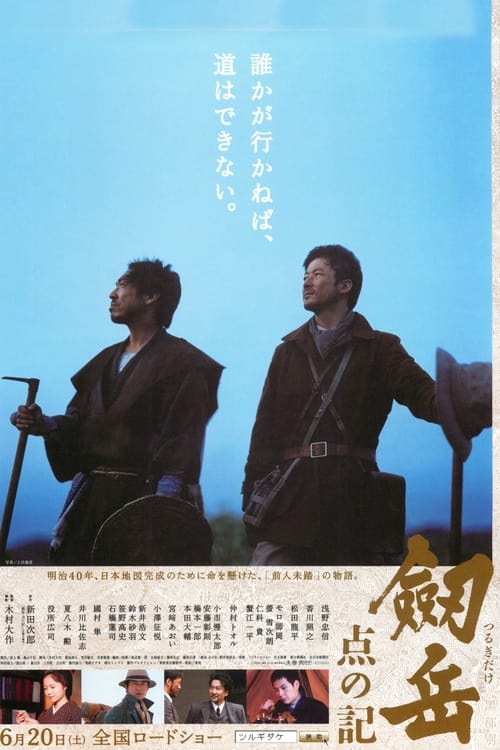
2009
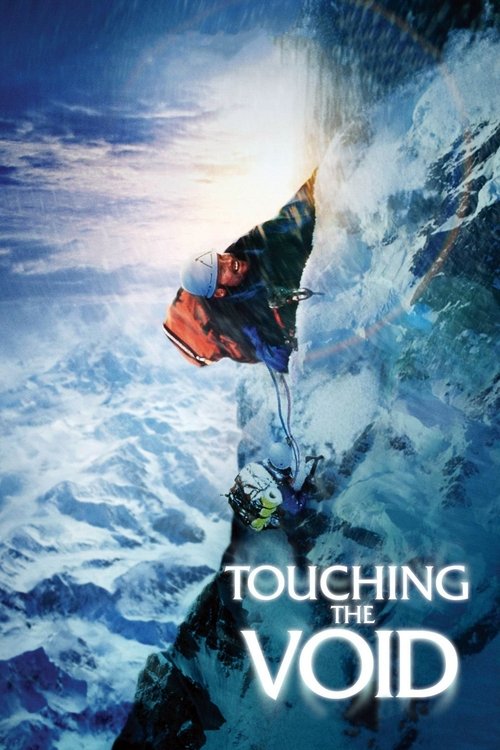
2003
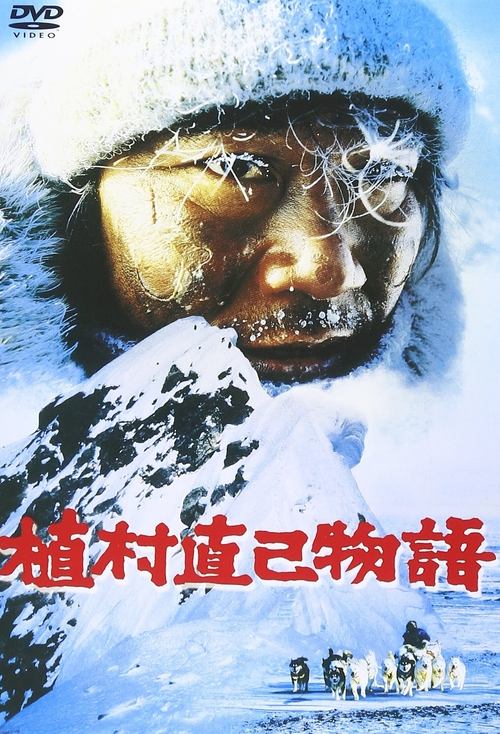
1986

2015
No reviews yet. Be the first to share your thoughts on this movie!
Use the rating form above to leave a star rating and optional review.