
Saccharine
2026
No user ratings available yet
Representation score: 4.3 out of 10
Representation Score
Good
2026
Director
Nathan Hertz
Runtime
90 minutes
Average Rating
No ratings yetNew Showbiz Analysis
The film centers on Penny, a photoretoucher, and her doppelgänger Penelope, played by real-life twins Michelle and Melissa Macedo. This dual female lead drives the central conflict, with women holding professional roles in creative and corporate settings. Men appear as secondary figures, such as a dismissive boss and a passive partner, lacking narrative depth. The cast includes Latina, Black, and Asian actors in supporting roles, adding visual diversity. However, the protagonist’s specific cultural or ethnic identity is not explored in detail, leaving her background undefined. The narrative critiques diet culture and body-shaming within the wellness industry, treating traditional wellness advice as a source of harm. LGBTQ+ representation is absent, with all relationships following heterosexual pairings. Disability is not represented as an ongoing lived experience; physical changes are temporary plot devices. The overall score reflects strong gender focus but limited exploration of race, culture, and other identities.
Category Breakdown
No same-sex romance or openly LGBTQ+ characters appear. The protagonist’s romantic frustrations target men exclusively, and all depicted relationships follow heterosexual pairings.
Women drive the plot and hold professional roles, though the narrative centers female body anxiety. Men appear as secondary figures, including a dismissive boss and a passive partner.
The lead is played by a Latina actress, and the cast includes Black and Asian supporting actors. However, the protagonist’s specific cultural background remains undefined in the provided context.
The film satirizes wellness culture and diet industry pressure, treating these as sources of harm. Traditional family dynamics are present but secondary to the protagonist’s internal struggle.
No characters with ongoing disabilities appear. The protagonist’s physical changes are temporary plot devices driven by the fictional pill, not depicted as a lived disability experience.
Present on Screen
Limited or Absent
Official Synopsis
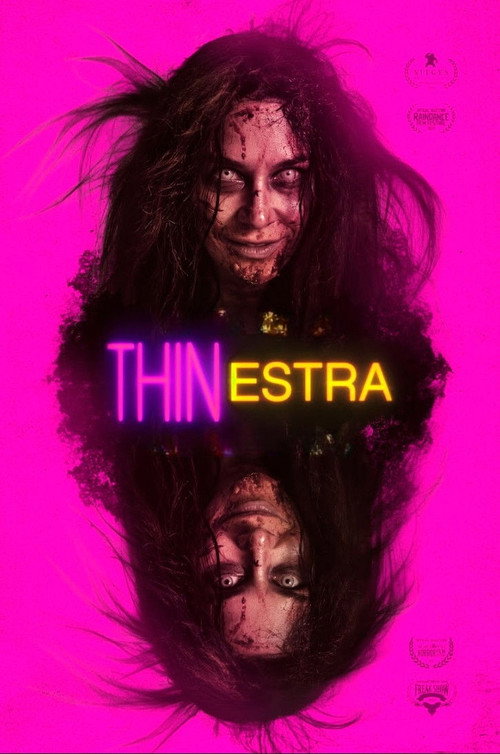
A young woman takes a new weight-loss pill and the fat she sheds returns in the form of her blood-thirsty doppelgänger.
2026

2004

2005

2007

2010

1996
2012

2026
No reviews yet. Be the first to share your thoughts on this movie!
Use the rating form above to leave a star rating and optional review.