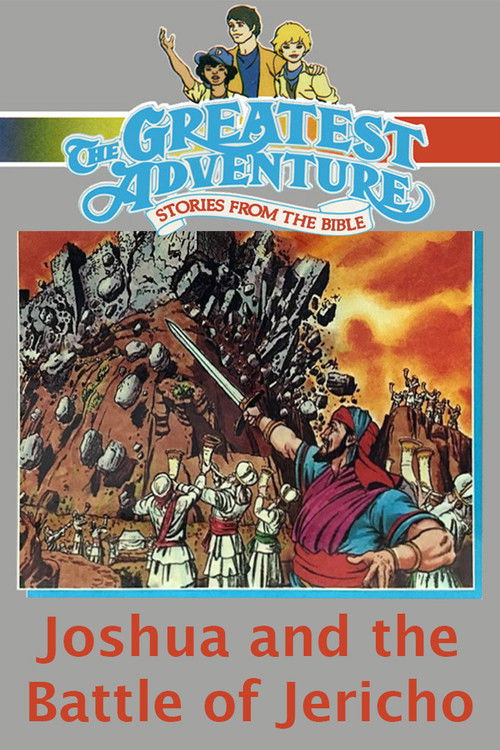
Joshua and the Battle of Jericho
1986
No user ratings available yet
Representation score: 0.6 out of 10

Representation Score
Minimal
2004
NOT RATEDDirector
Jim Lion
Runtime
55 minutes
Average Rating
No ratings yetNew Showbiz Analysis
Joshua and the Promised Land is a faith-based animation that prioritizes religious didacticism over social subversion. The film functions as a vehicle for traditional moral frameworks, focusing on biblical obedience and divine providence. The narrative relies heavily on conventional clichés, specifically a male-led heroic journey. While the historical setting provides some ethnic variety, the film's primary goal is to reinforce established spiritual hierarchies rather than challenge them. Ultimately, the work serves a niche audience looking for traditionalist values. It lacks the depth or representation found in more contemporary, diverse storytelling.
Category Breakdown
The film focuses on biblical archetypes and traditional religious themes. It does not include narratives involving non-straight or non-cisgender identities or critiques of the assumption that everyone is straight or cisgender.
The story follows a traditional heroic journey led by a male protagonist. It adheres to conventional masculine leadership roles without challenging traditional gender hierarchies.
Characters reflect an ancient Near Eastern setting. This ethnic diversity comes from the historical context rather than intentional modern casting that reflects multiple aspects of identity.
The narrative promotes a singular religious morality and absolute moral framework. It prioritizes divine providence and biblical obedience as primary solutions.
There is no discernible evidence regarding the portrayal of physical or neurodivergent characters in this story.
Present on Screen
Limited or Absent
Official Synopsis
“Joshua and the Promised Land” comes as a heartwarming tale for the whole family in the tradition of C.S. Lewis and J.R.R. Tolkien – about the courage one learns from trusting God – and as a result, finding the ability to overcome many of life’s problems. Join young Joshua Carter on an epic dream-adventure – from the parting of the Red Sea as the Hebrews escape from Egypt, through forty years in the wilderness, finally to the fall of the sinful city of Jericho.
1986
2000
2007
2025
1992
1993

2019

1997
No reviews yet. Be the first to share your thoughts on this movie!
Use the rating form above to leave a star rating and optional review.