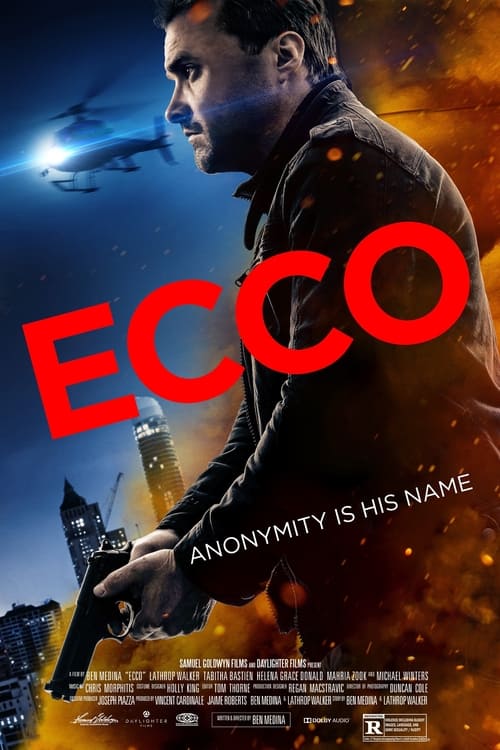
ECCO
2019
No user ratings available yet
Representation score: 3.2 out of 10
Representation Score
Limited
2026
Director
Reinaldo Marcus Green
Runtime
51 minutes
Average Rating
No ratings yetNew Showbiz Analysis
The film centers a white male antihero whose trauma and violence drive the plot. Supporting roles include Black actors and a formidable female villain, but they orbit Frank’s journey rather than shaping the narrative independently. LGBTQ+ presence is entirely absent, and women are mostly defined through their ties to Frank. Cultural themes valorize lone-wolf justice over institutional accountability, reinforcing familiar genre conventions. Frank’s PTSD is visible but underdeveloped, offering awareness without challenging stereotypes. The result is a story that acknowledges diversity in casting while remaining anchored in traditional, exclusionary storytelling patterns.
Category Breakdown
No LGBTQ+ characters appear or are identified. The narrative revolves around a heterosexual family tragedy and a male vigilante’s revenge, leaving queer identities entirely absent from the story.
Frank Castle dominates as a violent male lead. Ma Gnucci stands out as a powerful crime matriarch, yet women overall remain secondary to his mission and emotional arc.
Black actors such as Andre Royo and John Douglas Thompson hold key roles. Still, the lead and most prominent figures are white, with no confirmed race-bent casting.
Vigilantism is framed as justified against corruption, sidelining law enforcement. Family is depicted more as a source of trauma than as a stabilizing cultural force.
Frank’s PTSD and hallucinations are central to his character. His mental health is treated as a burden rather than explored with nuance or realistic depth.
Present on Screen
Limited or Absent
Official Synopsis
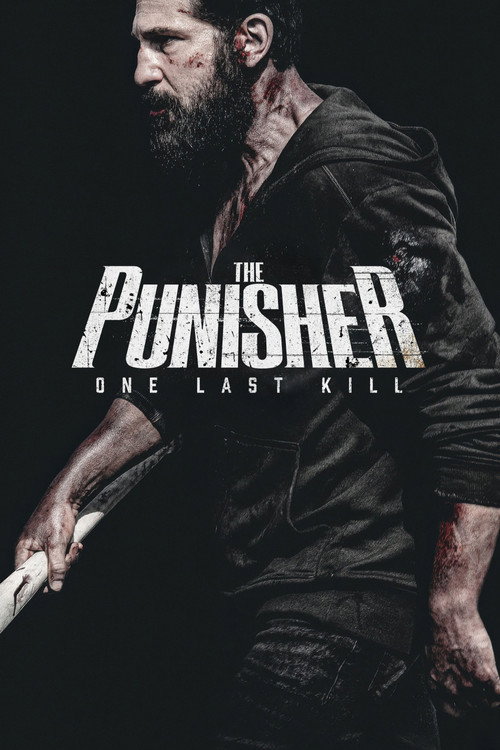
As Frank Castle searches for meaning beyond revenge, an unexpected force pulls him back into the fight.
2019

2008

2023

2023

2018
2004

2024

2020
No reviews yet. Be the first to share your thoughts on this movie!
Use the rating form above to leave a star rating and optional review.