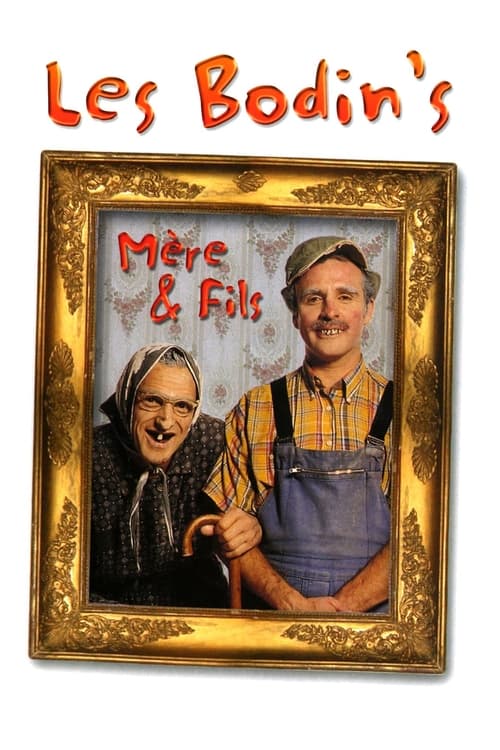
Les Bodin's - Mère & Fils
2004
No user ratings available yet
Representation score: 3.3 out of 10

Representation Score
Fair
2004
Director
Marie-Anne Chazel
Runtime
93 minutes
Average Rating
No ratings yetNew Showbiz Analysis
Marie-Anne Chazel's comedy provides a nuanced look at contemporary companionship by normalizing LGBTQ+ domestic life. The film steers clear of using same-sex relationships for comedic conflict, instead showing them as a stable foundation for character development. While the film effectively critiques traditional masculine stereotypes and highlights women's resilience, its overall impact is somewhat limited. The cast remains relatively uniform, with little racial or ethnic diversity among the core group of friends. Ultimately, the film centers on personal relationships and the challenges of urban dating. It prioritizes individual growth over broader societal issues or diverse characters who reflect more than one aspect of diversity.
Category Breakdown
The film showcases a stable, non-straight relationship between Yann and Alfredo. Their partnership is presented as a normal, settled part of the social fabric rather than a joke.
The story examines the tension between women's empowerment and traditional romantic expectations. It criticizes toxic masculinity through the portrayal of self-centered and petty male characters like Thomas.
The main trio seems to represent a relatively uniform social group. There is no indication of significant racial mixing among the central cast members.
The narrative emphasizes secular, urban perspectives and individual emotional experiences. It gently questions the idea that the traditional nuclear family is the only measure of success.
There are no visible or mentioned representations of physical or neurological disabilities in the available synopsis.
Present on Screen
Limited or Absent
Official Synopsis
Ils sont amis depuis l'enfance et se sont juré de toujours s'entraider. Ensemble, Kathy, Tara et Yann ont quitté leur île bretonne pour s'installer à Paris. Alors que Yann est heureux avec Alfredo, son compagnon, les deux filles connaissent des vies sentimentales plutôt désastreuses. Tara, aussi rieuse que peu sûre d'elle, se fait esclavagiser par Thomas, petit prof égocentrique et mesquin...
2004
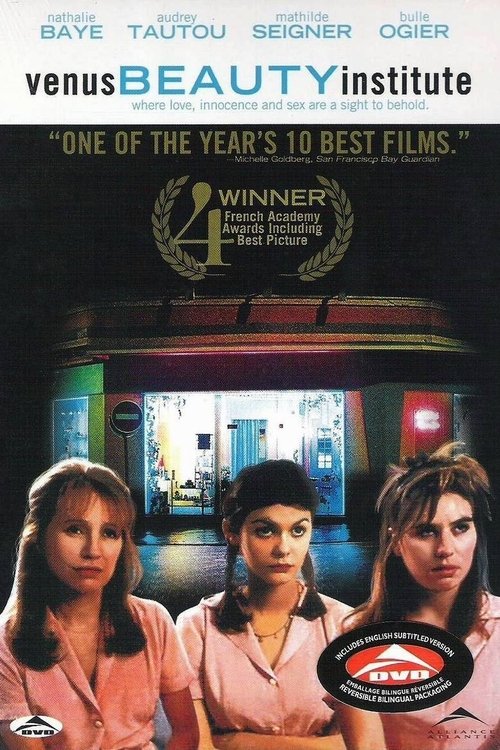
1999
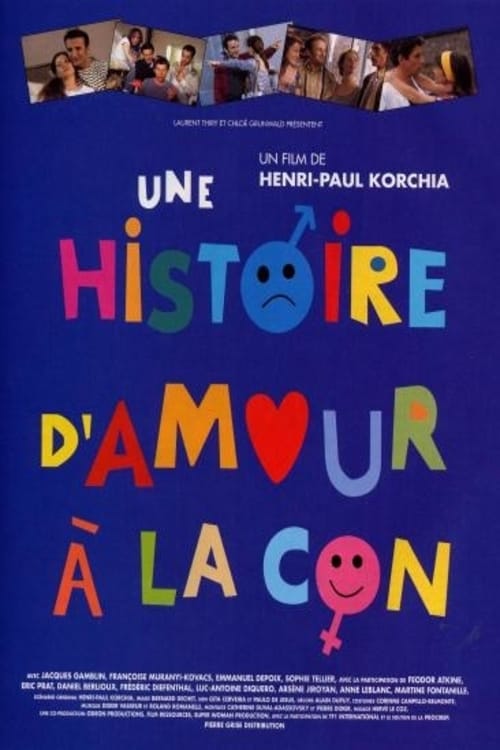
1996

1997

2004
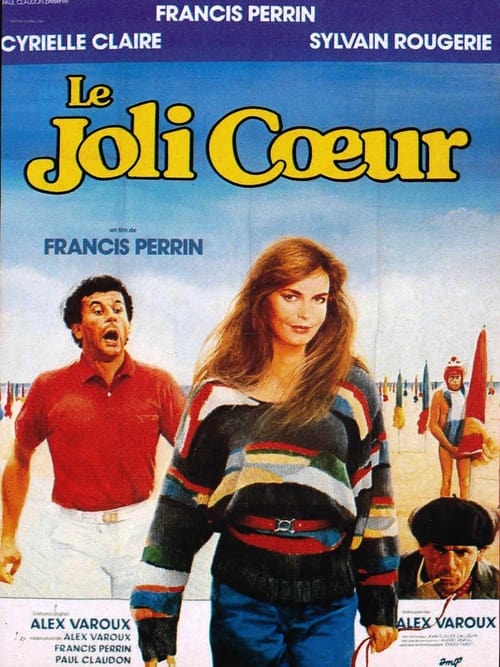
1984
2001

2002
No reviews yet. Be the first to share your thoughts on this movie!
Use the rating form above to leave a star rating and optional review.