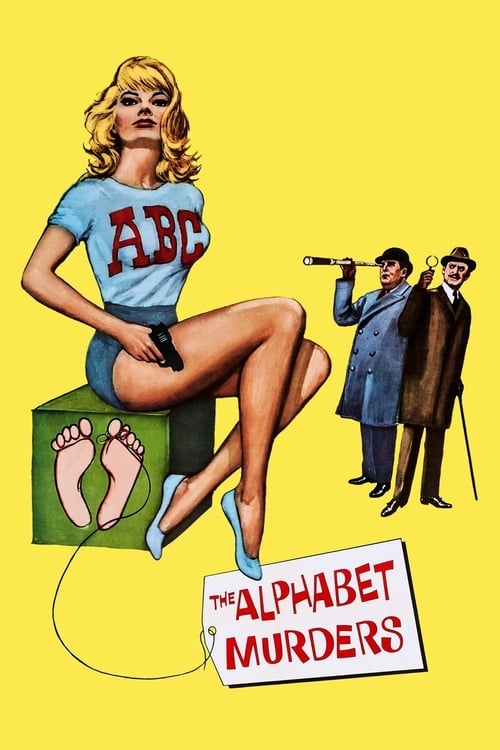
The Alphabet Murders
1965
No user ratings available yet
Representation score: 3.1 out of 10
Representation Score
Fair
1978
PGDirector
Ted Kotcheff
Runtime
112 minutes
Average Rating
No ratings yetNew Showbiz Analysis
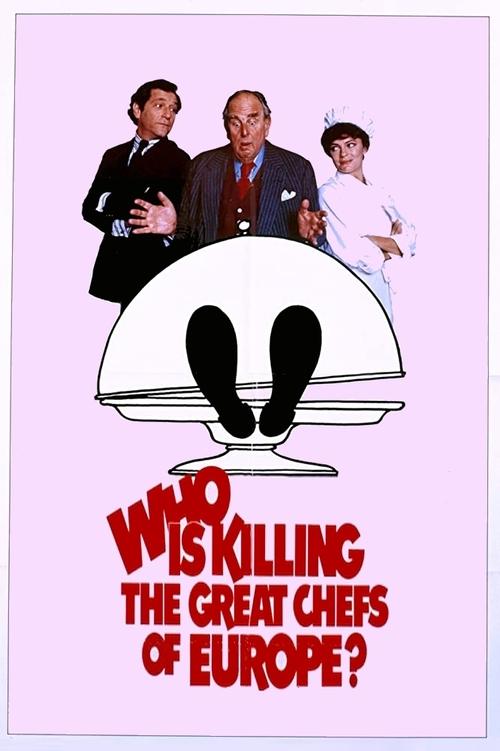
Ted Kotcheff’s satire prioritizes the deconstruction of professional pretension over exploring identity politics. The film effectively challenges the sanctity of the culinary elite through its tone, but it remains traditional in its treatment of social identities. Diversity is primarily geographic and professional, fitting the European setting. The film lacks significant representation of gender, sexuality, or disability, focusing instead on the mechanics of a mystery genre.
Category Breakdown
The film focuses on professional rivalry and mystery mechanics. It does not include any non-binary gender identities or same-sex relationships, sticking to the conventional social norms of the late 1970s.
The culinary industry is shown as a male-dominated hierarchy. While the film criticizes professional egos, it does not provide significant roles for women or challenge traditional gender roles.
A multi-national cast reflects a pan-European setting. However, the representation is limited to high-society European types and does not highlight multi-layered issues.
The film uses satire to criticize the pretension and dysfunction of high-society institutions. It challenges idealized views of these institutions through a postmodern perspective.
The film does not include any characters with visible or invisible disabilities. Disability is not used as a central theme or tool for character development.
Present on Screen
Limited or Absent
Official Synopsis
Mystery abounds when it is discovered that, one by one, the greatest chefs in Europe are being killed. The intriguing part of the murders is that each chef is killed in the same manner that their own special dish is prepared in. Food critics and the (many) self-proclaimed greatest chefs in Europe demand the mystery be solved.
1965
2011
1964
1976
1983
1964
1987

1976
No reviews yet. Be the first to share your thoughts on this movie!
Use the rating form above to leave a star rating and optional review.