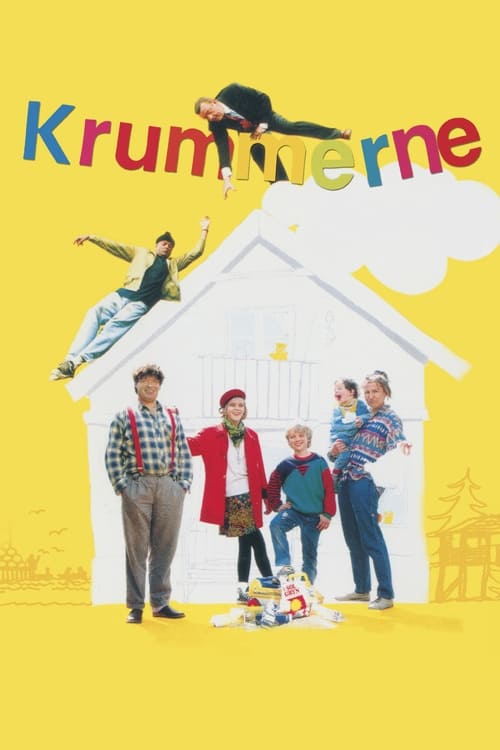
The Crumbs
1991
No user ratings available yet
Representation score: 2.3 out of 10

Representation Score
Limited
2001
Director
Víctor García León
Runtime
91 minutes
Average Rating
No ratings yetNew Showbiz Analysis
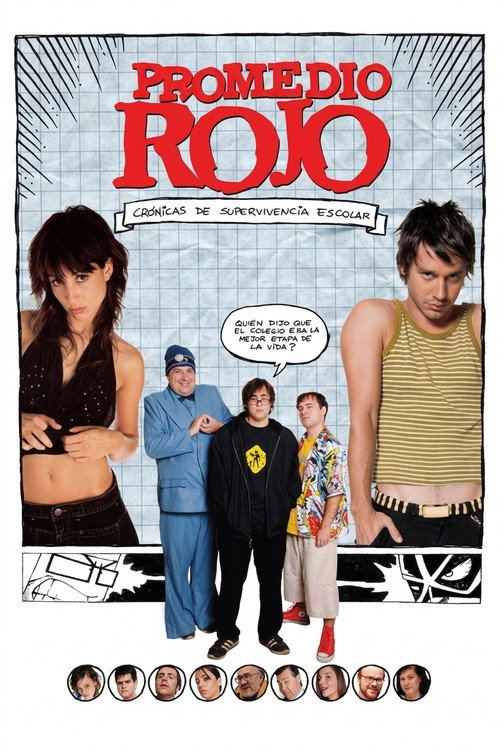
No Pain, No Gain follows a standard early 2000s coming-of-age framework. The narrative centers on the internal emotional journey of a single male protagonist, limiting the scope of diverse perspectives. The film lacks intentional critiques or representations of broader social issues. It functions as a character-driven comedy focused on individual social friction rather than broad cultural or identity-based exploration. Overall, the production reflects the conventional, moderate inclusion patterns typical of regional cinema from its era, prioritizing personal alienation over diverse social representation.
Category Breakdown
The film does not include any visible LGBTQ+ characters or representations of non-cisgender identities. The story focuses on the protagonist's social struggles without addressing LGBTQ+ issues.
The story centers around a teenage boy's emotional journey. A female character serves as a love interest, but the film seems to rely on traditional coming-of-age romantic clichés.
The narrative follows a localized comedic structure without a multi-cultural cast. It focuses on individual social isolation rather than broad ethnic diversity.
The film explores the tension between an individual and their immediate social environment. It provides a nuanced look at social cohesion by showing a misunderstood protagonist.
There is no documented evidence of characters with visible or invisible disabilities in this production.
Present on Screen
Limited or Absent
Official Synopsis
David is a teenager who feels he doesn't belong to a life where his family, friends and the girl he loves seem not to understand him.
1991

2009

2022

2000

2019
1997
2004
1996
No reviews yet. Be the first to share your thoughts on this movie!
Use the rating form above to leave a star rating and optional review.