
Italian Gigolo
2022
No user ratings available yet
Representation score: 5.1 out of 10

Representation Score
Excellent
2008
TV-PGDirector
Lourdes Álvarez
Runtime
91 minutes
Average Rating
No ratings yetNew Showbiz Analysis
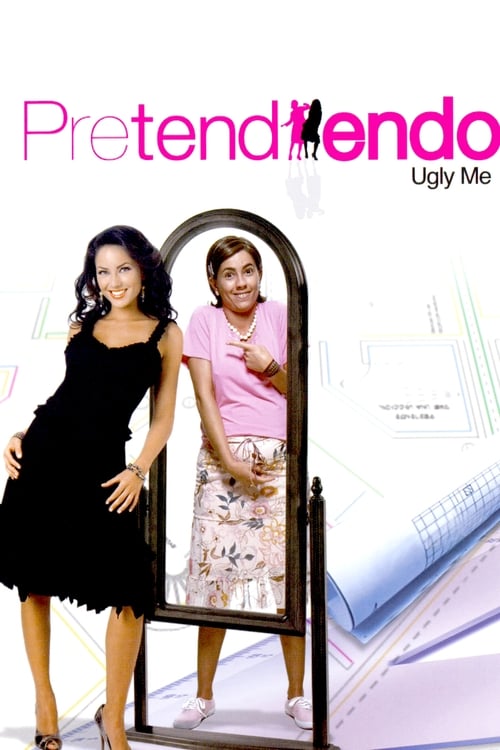
Lourdes Álvarez uses this character-driven study to explore identity reconstruction and the dismantling of social personas. The film succeeds in integrating non-straight characters and critiquing the superficiality of social hierarchies. However, the narrative relies on certain clichés regarding physical and intellectual traits to drive the plot. The focus on a 'makeover' suggests a tension between character's ability to drive the story and established cinematic clichés. Ultimately, the work functions as a subversion of domestic stability, prioritizing the protagonist's journey of self-reinvention over traditional social conformity.
Category Breakdown
The character Justi is explicitly identified through a non-straight lens. As a faithful friend, Justi serves as a catalyst for the protagonist's transformation and provides a layer of non-traditional social bonding.
The film deconstructs standard masculine expectations by focusing on a male protagonist's attempt to reconstruct his identity. It moves from traditional archetypes toward a study of the performative nature of gendered attractiveness.
The narrative operates within a specific cultural context that moves away from Anglo-centric storytelling. It focuses on localized social dynamics rather than Western-normative casting patterns.
The story critiques the stability of the traditional nuclear family by portraying a marriage defined by humiliation. It emphasizes personal reinvention and individual ability to act against restrictive social norms.
Romeo is described through traits of obesity and perceived intellectual deficiency. While these drive the plot, they risk utilizing a makeover cliché despite the protagonist's character autonomy.
Present on Screen
Limited or Absent
Official Synopsis
Romeo: an ugly, obese, and a perfect stupid! Lorenza: a beautiful woman, materialist, and superficial. Romeo is tired of the humiliations of his wife and decides to leave the house and change his physical appearance. He uses the aid of his faithful friend Justi ("a fine" homosexual) as to become a wonderful "Big Papi". How will it go when Lorenza encounters her new husband?
2022

1997
2017

2009
2006
2024
2005

2001
No reviews yet. Be the first to share your thoughts on this movie!
Use the rating form above to leave a star rating and optional review.