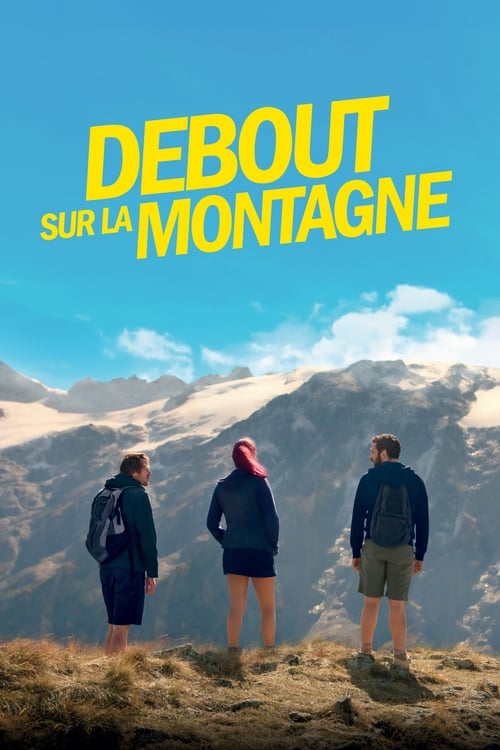
Up the Mountain
2019
No user ratings available yet
Diversity score: 5.0 out of 10

2013
Director
Sébastien Betbeder
Runtime
90 minutes
Average Rating
No ratings yetSynopsis
At 33, Arman has decided to change his life. He starts by running. It’s a good start. Amélie carries on with her life. She runs, as well. The first encounter is a shock. The second is a stab in the heart.
Overall Score
Fair
Category Breakdown
LGBTQ+ Representation
The film centers on heteronormative romantic dynamics and the friction between men and women. It lacks significant same-sex narratives or non-cisnormative gender identities.
Gender Representation
The narrative explores gendered emotionality and the fragility of interpersonal bonds. It avoids rigid hierarchies but does not overtly subvert traditional gender roles.
Racial & Ethnic Diversity
The story reflects a relatively homogeneous urban French social landscape. There is little evidence of significant racial blending or casting used to challenge historical norms.
Religious & Cultural Diversity
The film offers a secular, postmodern exploration of the human condition. It prioritizes subjective experience over religious or institutional moral frameworks.
Disability Representation
Characters do not navigate visible or invisible disabilities as central drivers of their agency. Psychological states like loneliness are treated as universal rather than specific.
Strengths
Areas for Improvement
AI Analysis
Sébastien Betbeder’s film uses an episodic structure to examine modern human connection and individual disillusionment. While the fragmented storytelling disrupts traditional linear narratives, the content remains largely tethered to conventional social and romantic paradigms. The work functions primarily as a character study of subjective experience. It avoids systemic critique, focusing instead on the fleeting connections and emotional isolation of its urban, middle-class protagonists. Ultimately, the film prioritizes stylistic postmodernism over identity-driven storytelling. It lacks the intersectional depth required to challenge broader societal structures or represent diverse marginalized identities.
2019

2019

2008

2020

2014

2011
2011
2022
2000

2018
2006
2012
No reviews yet. Be the first to share your thoughts on this movie!
Use the rating form above to leave a star rating and optional review.