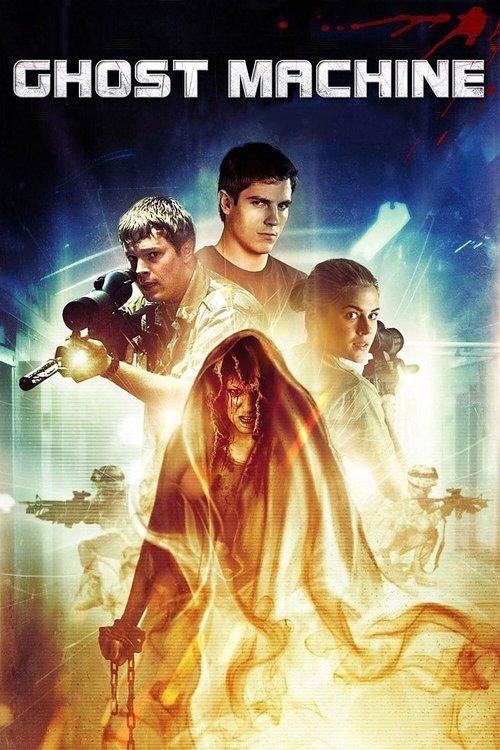
Ghost Machine
2009
No user ratings available yet
Representation score: 2.6 out of 10
Representation Score
Limited
1995
RDirector
Stephen Norrington
Runtime
122 minutes
Average Rating
No ratings yetNew Showbiz Analysis
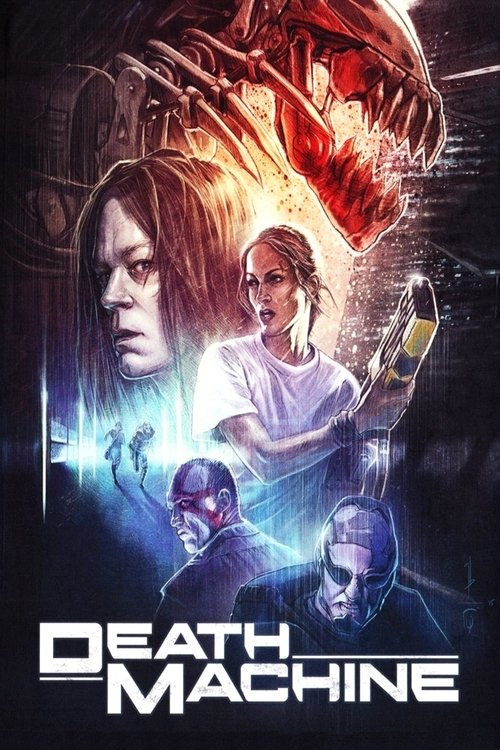
Death Machine is a cyberpunk thriller from the mid-1990s that emphasizes genre thrills over social representation. It operates mainly within well-established action-horror conventions, highlighting the risks of uncontrolled technological progress. The film’s demographic makeup is narrow, with a predominantly white cast and no LGBTQ+ characters. Despite featuring a female lead in Cale, the narrative stays rooted in traditional, male-focused combat scenarios. Its strongest engagement with societal issues is its criticism of the military-industrial complex. However, this critique serves the genre more than offering a deep analysis of identity or power structures.
Category Breakdown
The film does not feature any visible LGBTQ+ characters or narratives. There is no indication of non-straight gender identities among the main cast.
Although Cale is a key figure, the movie leans heavily on traditional action clichés. The emphasis on male-dominated combat scenes reinforces conventional gender roles.
The cast is mostly white, following typical industry standards from the mid-1990s. The dystopian world focuses more on technology's decline than on the richness of a diverse population.
The story challenges institutional power by portraying the Chaank Armaments company as a source of disorder. This counters the notion of corporations as inherently positive.
There is no meaningful depiction of neurodivergence or physical disabilities. The fusion of humans and machines is portrayed as a horror element rather than explored in depth.
Present on Screen
Limited or Absent
Official Synopsis
Chaank Armaments is experimenting with the ultimate fighting machine which is part human - part machine. So far, the Hardman project has been unreliable and has killed a number of innocent people. The genius behind this project is Jack who lives in a world of models, toys and magazines. When he is fired by Cale for killing a few corporate officers, he unleashes the ultimate killing machine called the 'Warbeast' against Cale and those who would help her.
2009

1995
1986
1999

1995

1986
2008

2007
No reviews yet. Be the first to share your thoughts on this movie!
Use the rating form above to leave a star rating and optional review.