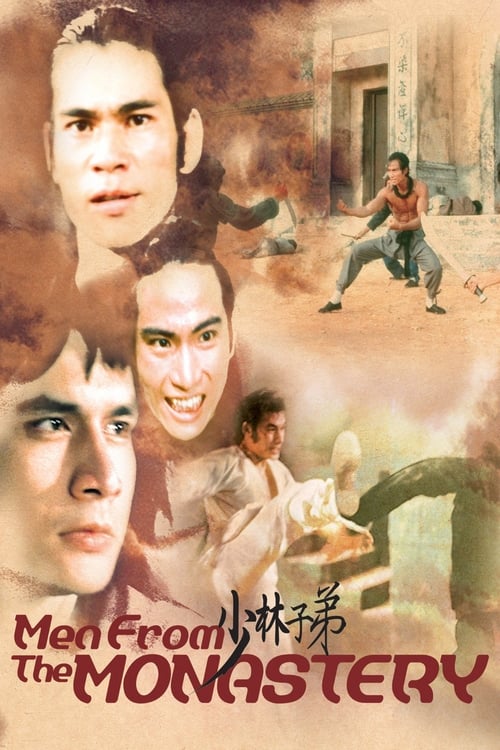
Men from the Monastery
1974
No user ratings available yet
Representation score: 3.4 out of 10
Representation Score
Limited
1977
RDirector
Chang Mei-chun
Runtime
94 minutes
Average Rating
No ratings yetNew Showbiz Analysis
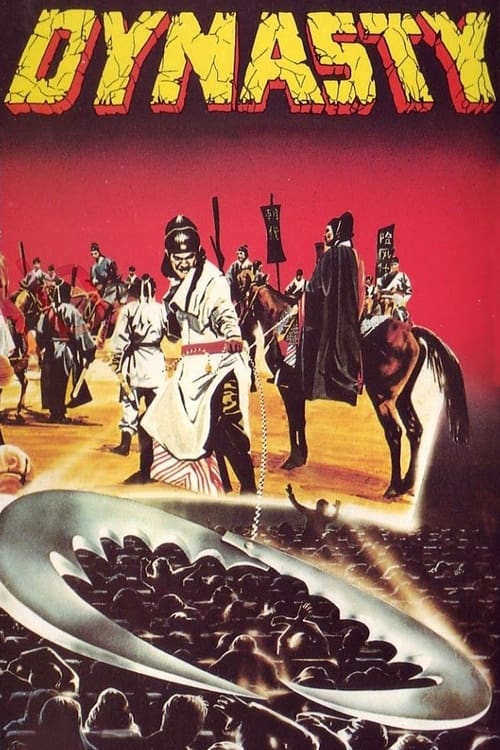
Dynasty (1977) is a genre-driven action film that operates through the classic 'hero against the state' archetype. While it lacks diverse representation regarding LGBTQ+ identities or disabilities, it offers a meaningful disruption of traditional authority by focusing on a singular hero challenging a corrupt hierarchy. The film's strength lies in its cultural specificity and its potential to challenge gender norms. By centering a narrative within the Ming Dynasty and placing a female director at the helm of a martial arts film, the work challenges both Western-centric storytelling and patriarchal genre conventions. However, the film remains limited by its adherence to traditional martial arts archetypes, which limits multi-layered character depth.
Category Breakdown
The film does not include any representation of LGBTQ+ identities or non-assuming gender matches what was assigned at birth gender expressions. It follows traditional martial arts character types.
The story focuses on a heroic martial artist battling a palace guard chief. Under Chang Mei-chun's direction, the film highlights female physical competence and ability to act in a traditionally male-dominated genre.
Set during the Ming Dynasty, the film provides a non-Western historical context. This disrupts Western-centric storytelling by centering a culturally specific narrative.
The story engages with themes of systemic corruption through a hero's struggle against an evil authority. This framework critiques established institutional power in favor of individual justice.
There are no specific depictions of physical or neurodivergent disabilities within the film's narrative.
Present on Screen
Limited or Absent
Official Synopsis
In the last days of the Ming dynasty, a heroic martial artist battles the evil chief of the palace guard.
1974

1992
1977
1967
1977
1978
1976
1971
No reviews yet. Be the first to share your thoughts on this movie!
Use the rating form above to leave a star rating and optional review.