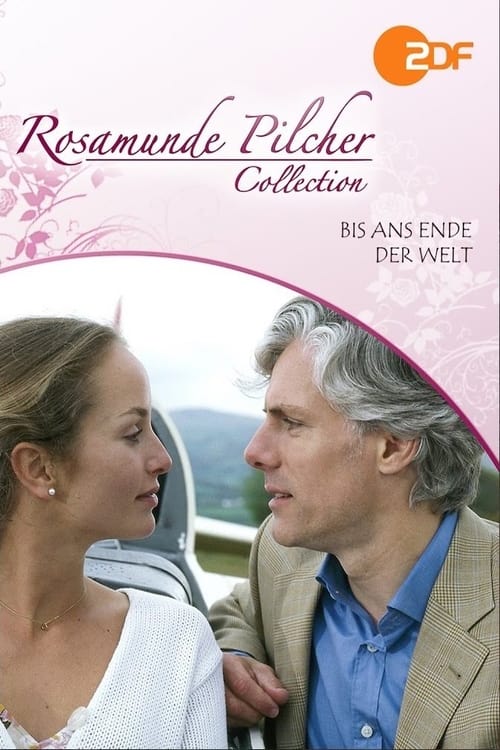
Rosamunde Pilcher: Bis ans Ende der Welt
2002
No user ratings available yet
Representation score: 4.2 out of 10

Representation Score
Fair
2000
Director
Kurt Ockermüller
Average Rating
No ratings yetNew Showbiz Analysis
Kurt Ockermüller’s work presents a raw, realistic look at social structures. While the film lacks diversity in terms of race and LGBTQ+ identities, it successfully challenges traditional Western stereotypes. It replaces the idealized mountain village with a place of systemic boredom and moral relativism. The story structure rejects stable community archetypes. By depicting a dysfunctional social order, the film questions the conventional authority of family and religious institutions. Overall, the film is a critique of provincial life. It prioritizes a deep, unsettling exploration of how stagnant environments foster antisocial behavior over demographic variety.
Category Breakdown
The film doesn't include any LGBTQ+ characters or stories. It focuses on the social dynamics of a local teenage group in a small town setting.
Gender roles are less important compared to the group's nihilistic and cruel behavior. The film avoids traditional leadership and nurturing roles, showing a chaotic social environment instead.
The cast is mostly white and uniform, reflecting the demographics of a small Austrian village. The story does not introduce diverse ethnic perspectives or actors from different backgrounds.
The film effectively challenges the idealized image of a mountain village. It portrays the setting as a place of stagnation and criticizes the restrictive traditional and religious authorities.
There are no characters with visible or invisible disabilities. The story focuses on psychological and social conflicts rather than neurodivergence or physical disabilities.
Present on Screen
Limited or Absent
2002

2007

2004
2001
2014

2013

2013
2014
No reviews yet. Be the first to share your thoughts on this movie!
Use the rating form above to leave a star rating and optional review.