The Fairy of the Black Rocks
1907
No user ratings available yet
Diversity score: 2.8 out of 10
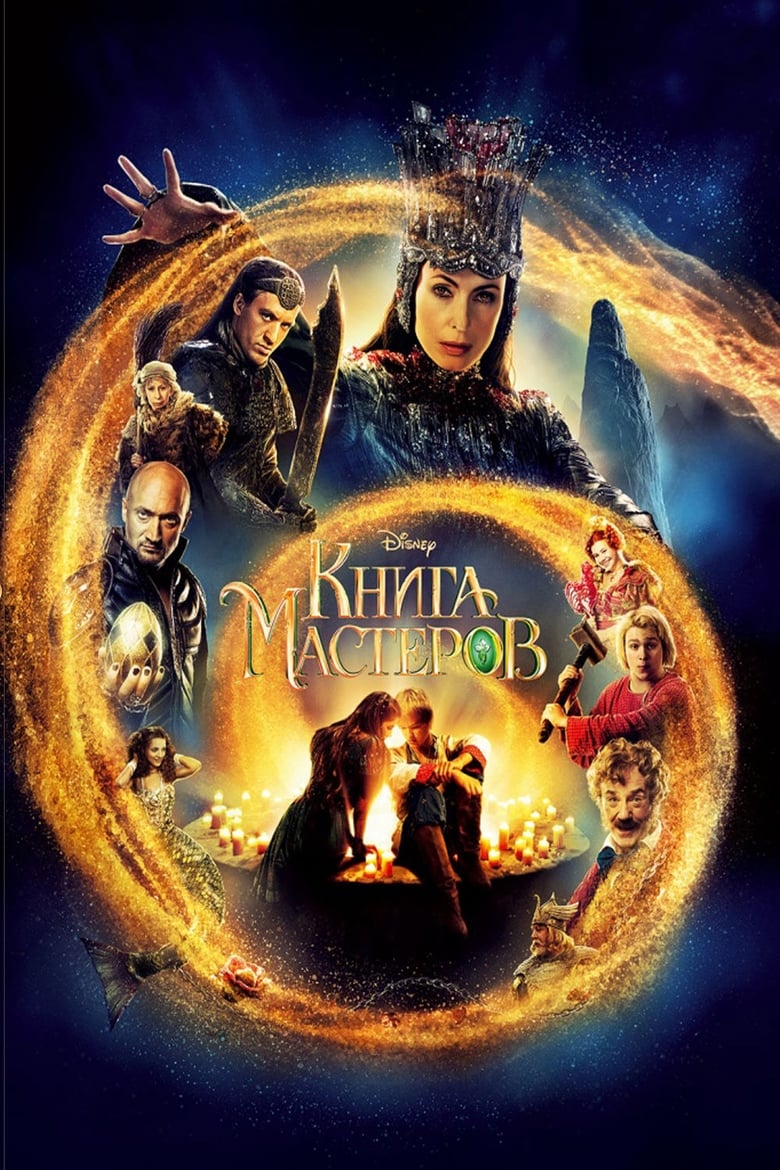
2009
Director
Vadim Sokolovsky
Runtime
101 minutes
Average Rating
No ratings yetSynopsis
A beautiful and kind girl, daughter of Baba Yaga, finds a magical stone Alatyr while walking in a field. It transforms her heart into a stone and puts her under a queer curse. She is to be the evil Countess of Stones and live in a stone tower. If the greatest gem-cutter in the world brings the stone of Alatyr to life, though, she'll become the ruler of the world. The Stone Countess, now cruel and selfish, is fascinated with the idea. She starts searching for the best gem-cutters and forces them to work with Alatyr, so the magical stone would become a living thing. Neither of the gem-cutters succeeds, so she kills them. While being imprisoned in her tower, they work on a large book about the secrets of gem-cutting. Each of them edits the book, so it's later named "the Book of Masters".
Overall Score
Fair
Category Breakdown
LGBTQ+ Representation
The film utilizes the term 'queer curse' to describe a magical affliction affecting the protagonist. However, this appears to be a descriptor for a non-traditional magical state rather than a depiction of sexual orientation or gender identity.
Gender Representation
The story subverts the damsel in distress trope by centering on a female lead who drives the plot through her pursuit of power. While she possesses significant agency, her character arc risks leaning into archetypal 'wicked female' tropes.
Racial & Ethnic Diversity
The narrative is deeply rooted in Slavic folklore, focusing on mythological heritage like Baba Yaga. There is no evidence of multi-ethnic casting or an intentional effort to blend diverse ethnicities within the story.
Religious & Cultural Diversity
The film explores moral relativism through a protagonist who shifts from kindness to cruelty. It centers on individual mastery and power rather than reinforcing specific religious or communal dogmas.
Disability Representation
The protagonist's stone heart functions as a magical and metaphorical device. There is no evidence of the film representing lived physical or neurodivergent disability experiences.
Strengths
Areas for Improvement
AI Analysis
The film offers a compelling subversion of traditional fairy-tale structures by centering a morally ambiguous female protagonist. Her transition from a kind girl to a selfish ruler provides a complex character arc that moves beyond simple heroism. However, the narrative remains heavily tethered to traditional Slavic folklore, which limits its intersectional breadth. The focus on cultural homogeneity and mythological archetypes suggests a narrow scope regarding racial and ethnic diversity. Ultimately, while the film disrupts standard tropes through its character agency and unique magical terminology, it lacks the progressive representation required for a higher diversity rating.
1907
2009
2019
1994
1955
2005
2014
2009
2016
1903
1906
2012
No reviews yet. Be the first to share your thoughts on this movie!
Use the rating form above to leave a star rating and optional review.