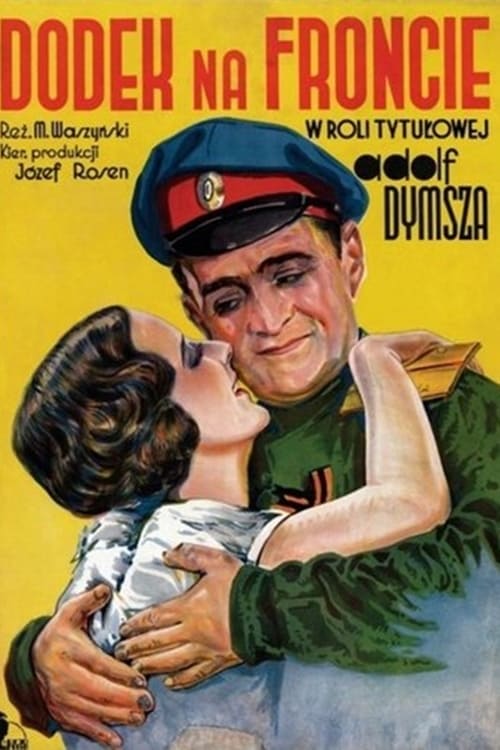
Dodek at the Front
1936
No user ratings available yet
Representation score: 1.8 out of 10
Representation Score
Fair
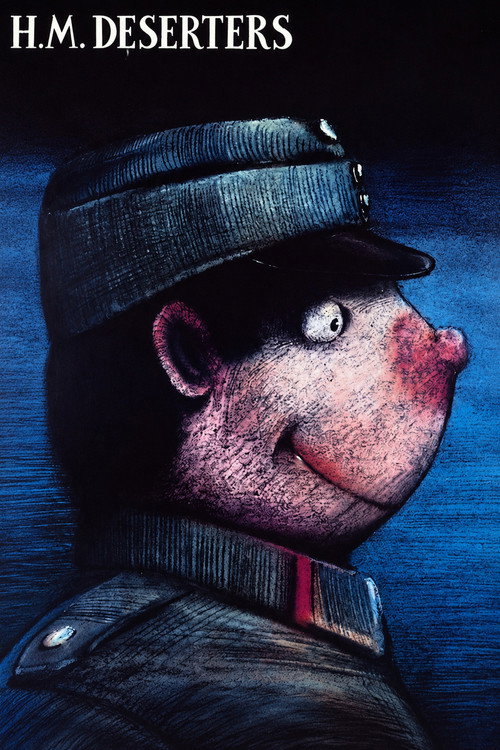
1986
Director
Janusz Majewski
Runtime
155 minutes
Average Rating
No ratings yetNew Showbiz Analysis
H.M. Deserters is a historical satire that excels in portraying ethnic diversity. By featuring a mix of Czech, Jewish, and Italian soldiers, the film effectively critiques the collapsing Austro-Hungarian Empire. However, the film's narrow focus on male soldiers limits its representation of gender and LGBTQ+ identities. Despite this, it successfully critiques institutional authority and ethnic fragmentation.
Category Breakdown
The film focuses on male camaraderie and does not include any LGBTQ+ characters or same-sex relationships.
The story centers on male soldiers and lacks meaningful roles for women.
The film showcases a diverse group of soldiers from Czech, Jewish, and Italian backgrounds, highlighting the fragmented nature of the empire.
The story uses dark humor to criticize traditional Western institutions, presenting the military hierarchy as an absurd and dehumanizing force.
The film does not focus on characters with visible or invisible disabilities, instead emphasizing ethnic and deserter backgrounds.
Present on Screen
Limited or Absent
Official Synopsis
Set in 1918, this World War I drama follows a group of Austro-Hungarian soldiers—Czechs, Jews, Italians, and others—confined in a provincial barracks under German officers. Subjected to the cruelty of a sadistic lieutenant, they rebel, humiliate him, and later attempt escape. Disguised as guards for veterinary surgeons in Budapest, the deserters are eventually recaptured and returned for court-martial, forced once more to face their tormentor.
1936

1975
1957

1973
1964

1942
1964
1983
No reviews yet. Be the first to share your thoughts on this movie!
Use the rating form above to leave a star rating and optional review.