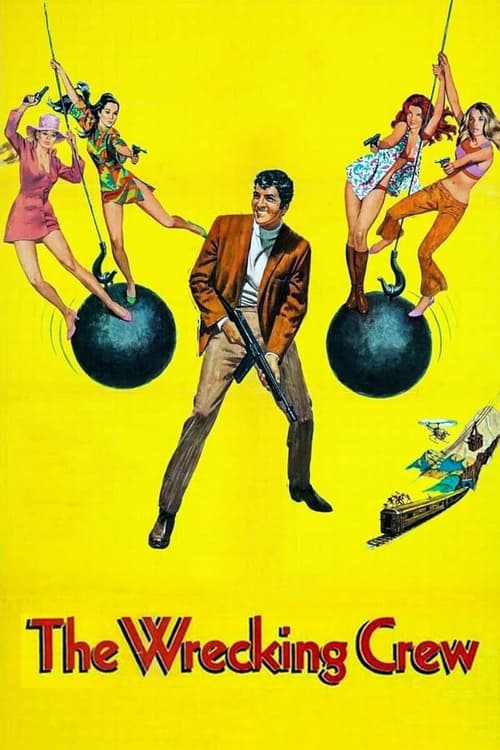
The Wrecking Crew
1968
No user ratings available yet
Representation score: 0.5 out of 10
Representation Score
Minimal
1966
NRDirector
Phil Karlson
Runtime
102 minutes
Average Rating
No ratings yetNew Showbiz Analysis
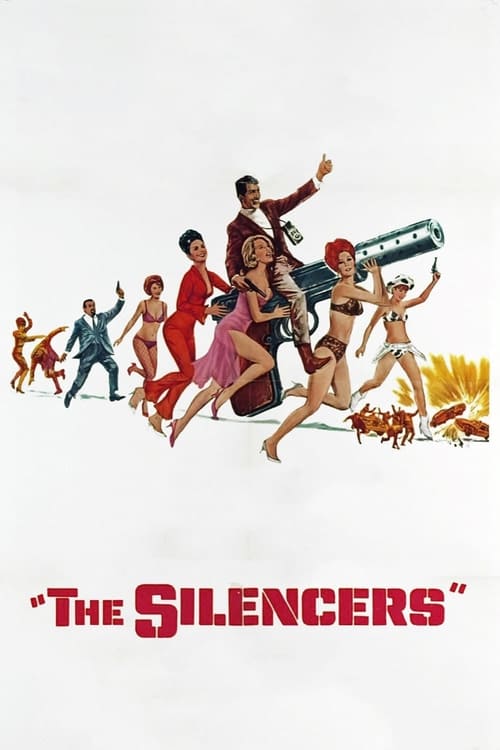
The Silencers adheres closely to the social and demographic norms of mid-century mainstream cinema. The narrative relies heavily on established genre clichés rather than challenging social hierarchies or exploring multiple aspects of identity. While the film features a central female lead, her role is constrained by traditional archetypes tied to the male protagonist. The absence of racial, cultural, or disability-related depth results in a highly homogeneous viewing experience. Ultimately, the film reinforces the standard demographic and gendered expectations of 1960s mainstream cinema, offering little complexity beyond its primary plot of preventing global catastrophe.
Category Breakdown
The film does not include any LGBTQ+ characters or non-cisgender identities. It follows a typical 1960s heterosexual norm without any queer undertones.
Female characters are mainly portrayed through the femme fatale stereotype. The story emphasizes masculine leadership and male-dominated physical action.
The cast is predominantly white and homogeneous, reflecting the mid-century cinematic norms. There are no minority characters with substantial roles in the narrative.
The story follows a straightforward hero versus organization structure. It avoids criticizing Western institutions, religion, or capitalism.
No visible or hidden disabilities are shown. Characters are defined by their physical fitness needed for the action genre.
Present on Screen
Limited or Absent
Official Synopsis
Matt Helm is called out of retirement to stop the evil Big O organization who plan to explode an atomic bomb over Alamagordo, NM, and start WW III.
1968
1966
1967

1968
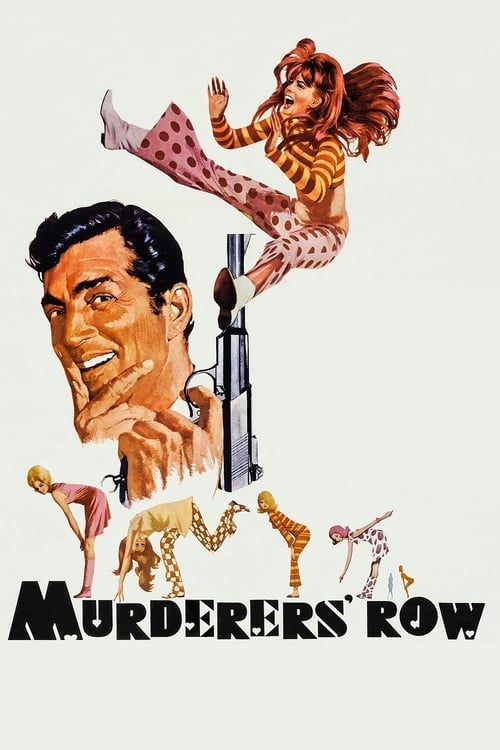
1966
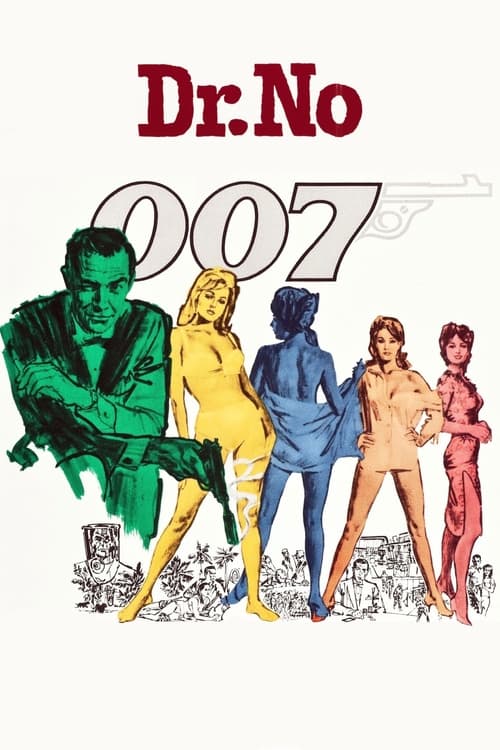
1962
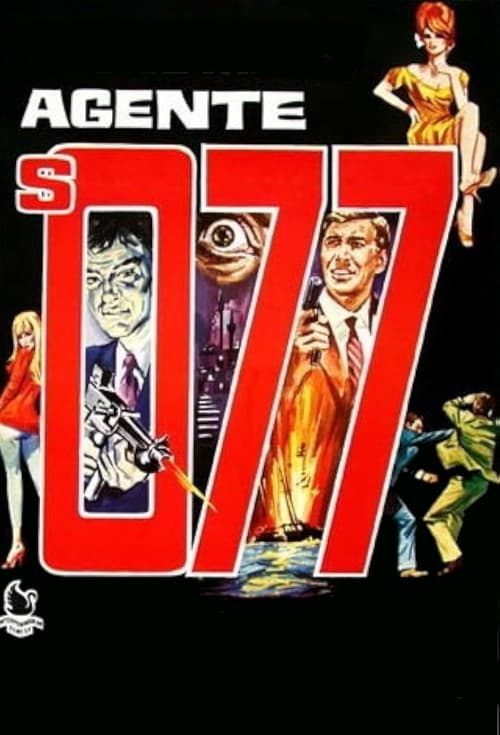
1965
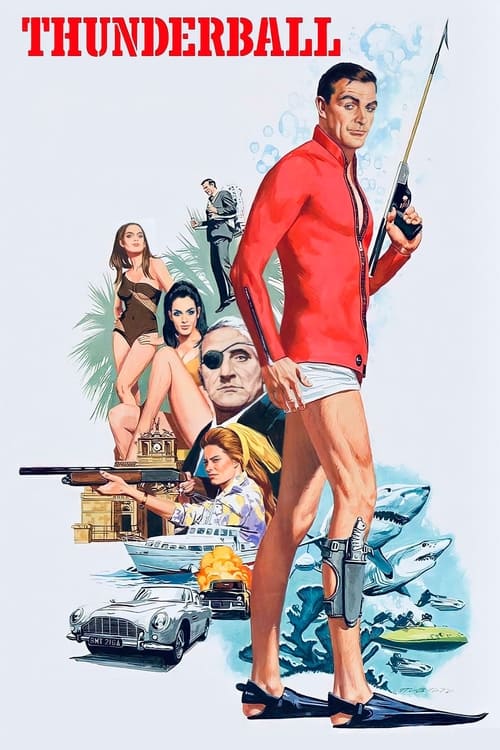
1965
No reviews yet. Be the first to share your thoughts on this movie!
Use the rating form above to leave a star rating and optional review.