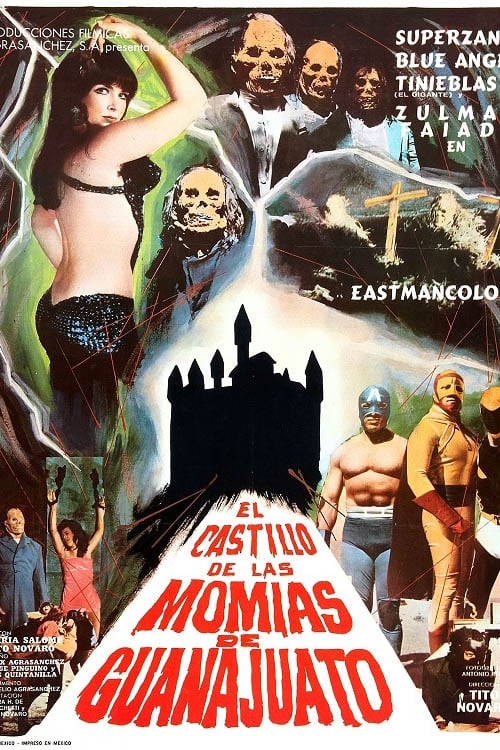
The Castle of Mummies of Guanajuato
1973
No user ratings available yet
Representation score: 5.2 out of 10
Representation Score
Fair
1974
Director
Miguel M. Delgado
Runtime
87 minutes
Average Rating
No ratings yetNew Showbiz Analysis
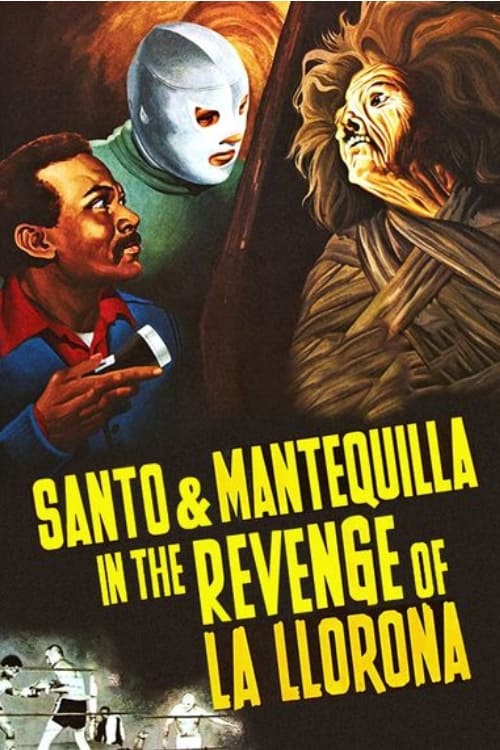
The film stands out as a culturally specific work that elevates Mexican folklore and regional heroes above Western cinematic norms. By centering the myth of La Llorona and the Luchador tradition, it offers a significant non-Western perspective. However, the narrative remains rooted in traditional gender roles. The emphasis on male physical heroism and the use of female characters primarily as mythic victims limit its exploration of diverse identities. Overall, the film is a strong example of regional genre-blending that challenges global cinematic hierarchies through its commitment to local cultural identity.
Category Breakdown
The film focuses on male physical prowess and does not include non-straight identities or critiques of traditional gender norms.
The story is driven by male protagonists Santo and Mantequilla Nápoles. Female characters are limited to the mythic figure of La Llorona, who triggers suffering.
This production highlights Mexican icons and indigenous folklore, placing non-Western cultural identities at the narrative's core.
The story emphasizes regional folklore and non-Western spiritual beliefs, using local superstitions and myths to drive the conflict.
There is no evidence of physical or neurodivergent disabilities being portrayed in the film.
Present on Screen
Limited or Absent
Official Synopsis
A masked wrestler joins a professor and his niece searching for an ancient medallion to help children. They face a terrifying mummy and a dangerous gangster who want the treasure for themselves.
1973
1976
1972
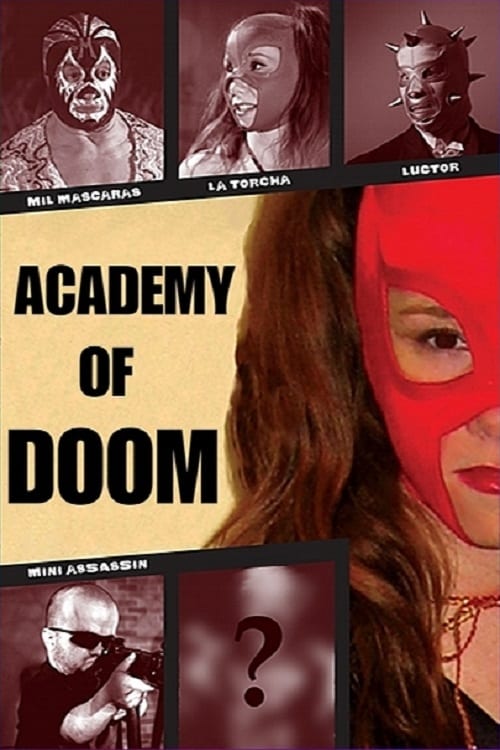
2008
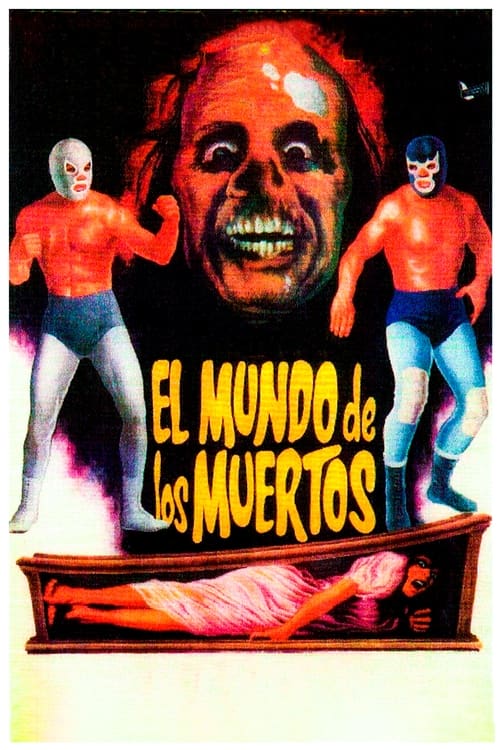
1970
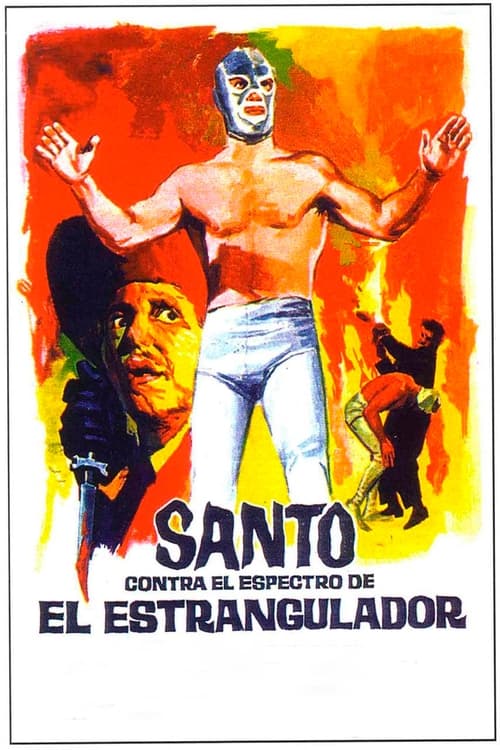
1966
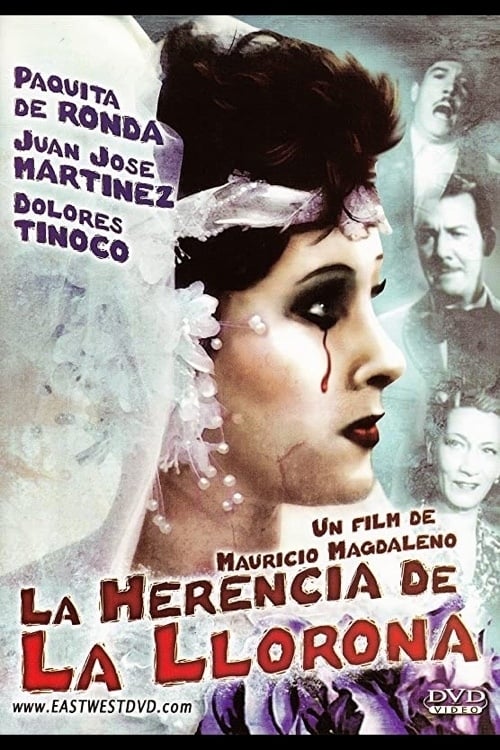
1947
1970
No reviews yet. Be the first to share your thoughts on this movie!
Use the rating form above to leave a star rating and optional review.