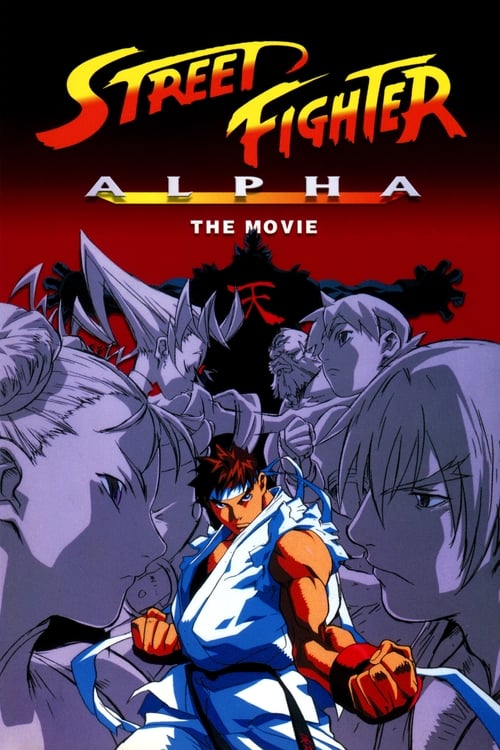
Street Fighter Alpha: The Movie
1999
No user ratings available yet
Representation score: 3.0 out of 10
Representation Score
Fair
2011
RDirector
Youichi Mouri
Runtime
100 minutes
Average Rating
No ratings yetNew Showbiz Analysis
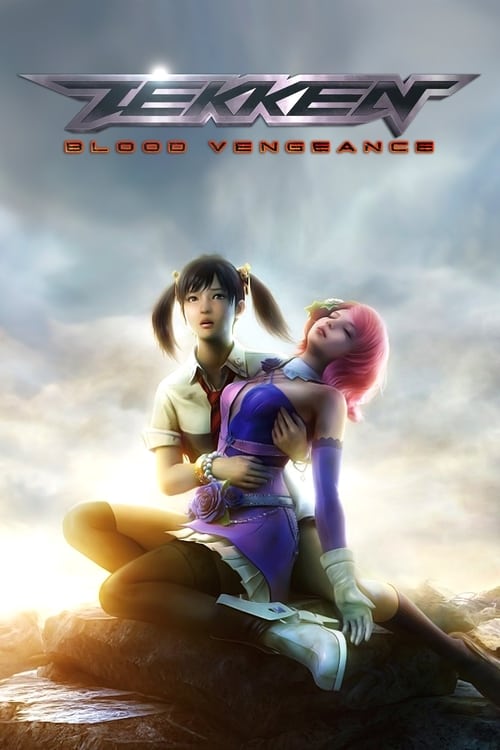
Tekken: Blood Vengeance successfully presents a globalized, multi-ethnic cast that avoids a singular cultural perspective. The film excels in its deconstruction of corporate hegemony and systemic corruption. However, it falls short in providing depth regarding LGBTQ+ identities and disability representation. While female characters exhibit a significant role in driving the story, the core story remains tied to a patriarchal, male-dominated lineage. Ultimately, the film functions as a actively leading action piece that challenges traditional institutions through a diverse, international lens, even if it misses opportunities for deeper social representation.
Category Breakdown
The film does not include any identifiable LGBTQ+ characters or explore non-straight relationships. Relationships in the film focus on family ties and combat rivalries.
Female characters such as Xiaoyu Ling and Alisa Bosconovitch play significant roles as capable martial artists. However, the main storyline revolves around a patriarchal conflict centered on the Mishima bloodline.
The film features a diverse cast with characters from various ethnic backgrounds, avoiding a Western-centric focus. However, this diversity serves more as a genre staple than a sociopolitical statement.
The narrative critiques institutional power through the depiction of the corrupt, hyper-capitalist Mishima Zaibatsu. It embraces moral relativism, where personal vendettas often take precedence over traditional legal or moral absolutes.
The film does not intentionally represent visible or invisible disabilities. Physical trauma serves as a plot device for combat rather than an exploration of lived experience.
Present on Screen
Limited or Absent
Official Synopsis
Set in the rich Tekken universe, Tekken: Blood Vengeance 3D follows Xiaoyu Ling, seasoned martial artist and high school student, tasked by the G Corporation to infiltrate an international school in Kyoto to gather information on the mysterious student Shin Kamiya. Before she can make any progress in the investigation, Shin is kidnapped by an unknown assailant. Digging deeper into Shin’s background in an attempt to rescue him, Xiaoyu learns about the frightening underbelly of the Mishima Zaibatsu. Jin Kazama, Kazuya Mishima… and the late Heihachi Mishima’s conspiracy that’s stained with blood.
1999
2014
1994
1998

1998

2009
1993

2022
No reviews yet. Be the first to share your thoughts on this movie!
Use the rating form above to leave a star rating and optional review.