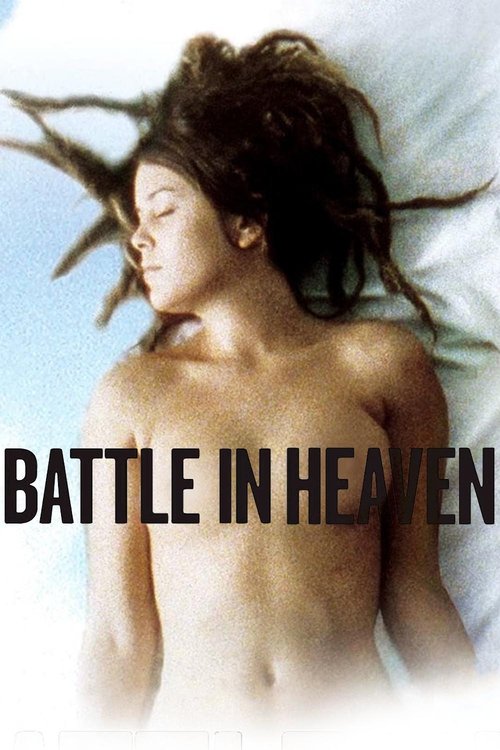
Battle in Heaven
2005
No user ratings available yet
Diversity score: 6.3 out of 10
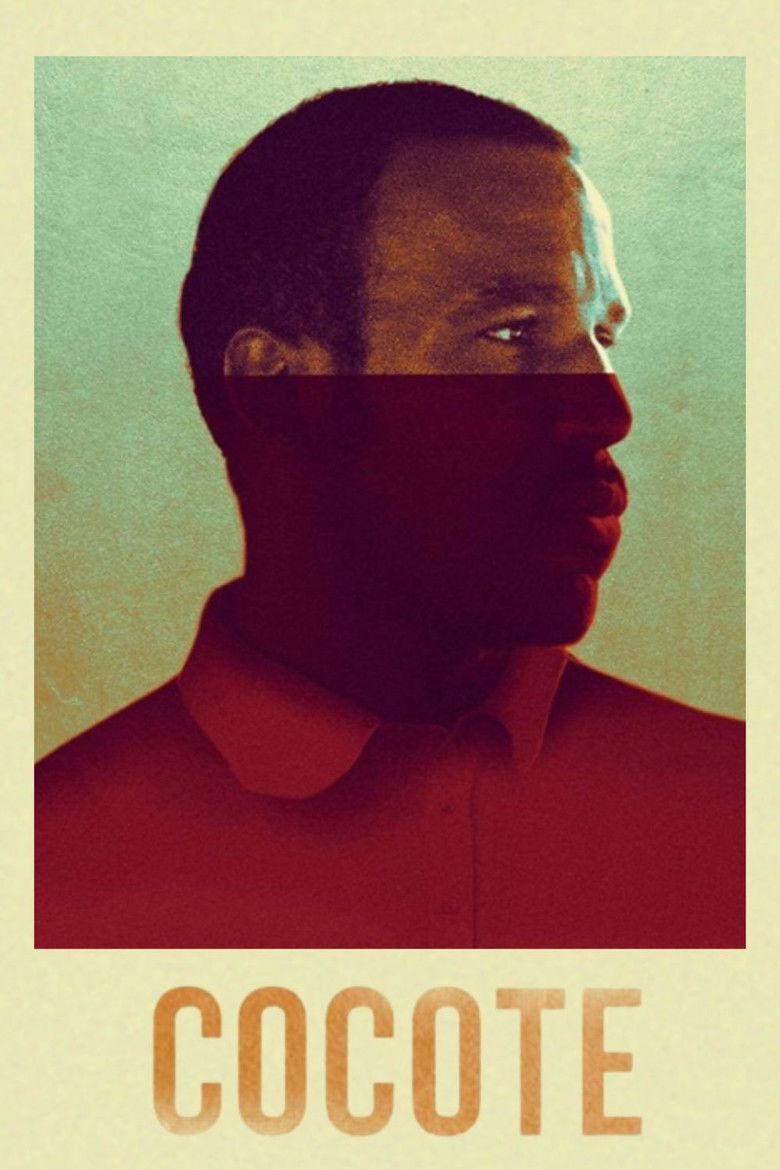
2017
TV-14Director
Nelson Carlos de los Santos Arias
Runtime
106 minutes
Average Rating
No ratings yetSynopsis
A rapturous crime fable set in the Dominican Republic, Nelson Carlo De Los Santos Arias’ COCOTE follows Alberto, a kind-hearted gardener returning home to attend his father’s funeral. When he discovers that a powerful local figure is responsible for his father’s death, Alberto realizes that he’s been summoned by his family to avenge the murder. It’s an unthinkable act — especially for him, an Evangelical Christian. But as pressure mounts, he sees few ways out. Questions of faith, tradition and honor course through this electrifying film, which, seemingly at the speed of thought itself, jumps between film formats, colors, and aspect ratios, radically envisioning a community torn asunder by senseless violence.
Overall Score
Good
Category Breakdown
LGBTQ+ Representation
The film focuses on the protagonist's internal conflict regarding faith and vengeance. It lacks explicit non-cisnormative identities or narratives designed to critique heteronormativity.
Gender Representation
Female characters serve as significant emotional and moral anchors within the narrative. While the male protagonist drives the plot, the film avoids reductive tropes of submissive femininity.
Racial & Ethnic Diversity
The film excels in its authentic depiction of the Dominican Republic. It prioritizes Afro-Caribbean and Mestizo identities, providing high agency to characters of color.
Religious & Cultural Diversity
The narrative disrupts singular religious morality by placing an Evangelical Christian in a moral dilemma. It critiques how systemic violence and corruption undermine traditional spiritual dictates.
Disability Representation
There is no evidence of characters with visible or invisible disabilities being utilized as central plot devices or depicted with specific agency.
Strengths
Areas for Improvement
AI Analysis
Cocote is a sophisticated work of intersectional storytelling that challenges conventional narrative structures. Its primary strength lies in its racial authenticity and its refusal to provide easy moral answers through traditional religious lenses. The film uses a fragmented, postmodern style to critique how truth and justice are perceived in a fractured society. By centering a Dominican community, it moves away from Anglo-centric cinematic norms. While the film lacks explicit LGBTQ+ representation and does not prioritize the subversion of masculine leadership, it succeeds in providing a complex, high-stakes drama driven by characters of color.
2005
2010

2016

2006

2015
2021
1994
2017
2008

2016
2015
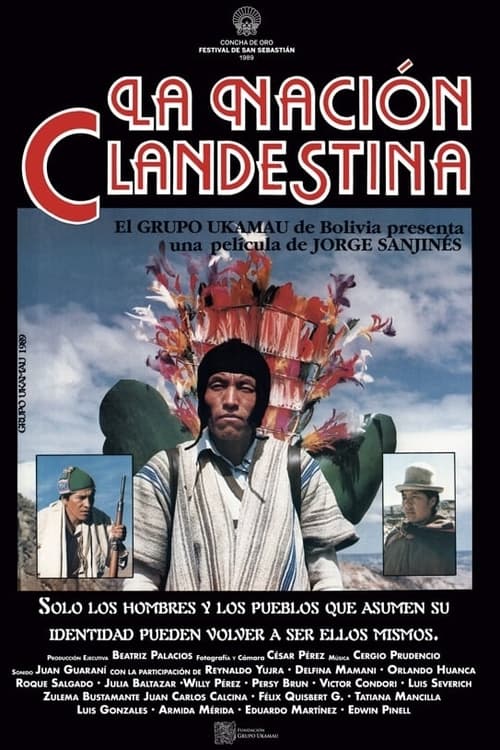
1989
No reviews yet. Be the first to share your thoughts on this movie!
Use the rating form above to leave a star rating and optional review.