
Dahan
1998
No user ratings available yet
Representation score: 6.6 out of 10
Representation Score
Good
1994
Director
Tapan Sinha
Runtime
118 minutes
Average Rating
No ratings yetNew Showbiz Analysis
Tapan Sinha’s drama offers a meaningful exploration of underrepresented bodies, particularly through its focus on disability and female resilience. By centering the plot on characters navigating physical limitations, the film avoids treating disability as a mere metaphor. While the film excels in disability representation, it lacks clear data regarding LGBTQ+ identities. The narrative remains focused on the intersection of trauma and medical professionalism. Overall, the work stands out for its humanist storytelling and its departure from traditional, able-bodied-centric hero clichés, providing a nuanced portrait of survival.
Category Breakdown
The film doesn't show any non-straight relationships or same-sex intimacy. Instead, it focuses on the bond between a trauma survivor and a doctor.
The story centers on a female character's resilience after a violent attack and paralysis. It challenges the idea of women as passive victims by highlighting her psychological journey and active role.
As an Indian production, the film offers a non-Western viewpoint. It adds to the global cinematic canon by focusing on non-Anglo-Saxon identities.
The film takes a humanist approach, focusing on personal recovery rather than religious retribution. It explores the intersection of personal trauma and professional medical care.
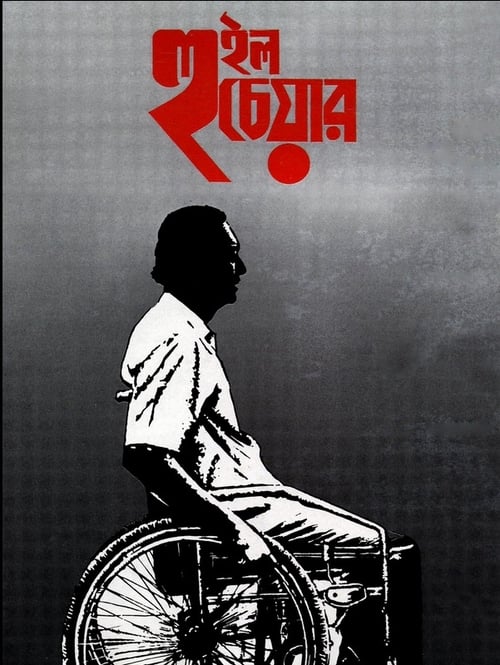
Disability is central to the story, featuring both a paralyzed woman and a doctor in a wheelchair. This brings physical impairment to the forefront of the narrative, making it a key part of the human experience.
Present on Screen
Limited or Absent
Official Synopsis
After being raped in her office and becoming paralyzed, a woman gets help from a doctor who is in a wheelchair.
1998

2013

1978

2019

2011

2011

2014
1997
No reviews yet. Be the first to share your thoughts on this movie!
Use the rating form above to leave a star rating and optional review.