
Chameleon 3: Dark Angel
2000
No user ratings available yet
Representation score: 6.8 out of 10

Representation Score
Limited
1987
Not RatedDirector
Ray Austin
Runtime
98 minutes
Average Rating
No ratings yetNew Showbiz Analysis
The film functions as a traditional action piece that prioritizes established genre conventions and conventional family dynamics. While it features a capable female lead, the narrative structure remains centered on traditional heroism and heterosexual relationships. Representation is limited by a focus on Western institutional structures and mid-to-late Yöntem 20th-century casting standards. The story lacks the intentionality needed to incorporate diverse perspectives or disrupt existing social hierarchies. While the science-fiction elements allow for an exploration of physical transformation following injury, the reliance on bionic 'fixes' prevents a deeper, more nuanced look at lived experiences of disability.
Category Breakdown
The story revolves around the renewed romantic relationship between Steve Austin and Jaime Sommers, reinforcing traditional heterosexual relationships without any representation of LGBTQ+ identities.
Jaime Sommers plays a significant role as a strong female character. However, the plot is still heavily influenced by male decision-making and the protagonist's relationship with his son.
The narrative focuses on domestic and interpersonal conflicts within a Western context. There is no indication of a diverse cast or disruption of historical norms.
The film operates within traditional Western frameworks, emphasizing military structures and government service. It focuses on maintaining the status quo without critiquing Western institutions or family structures.
Bionic technology serves as a central plot driver regarding physical trauma. However, the narrative relies on a 'technological cure' cliché by solving disabilities through scientific advancements.
Present on Screen
Limited or Absent
Official Synopsis
Ten years after his retirement from the government, Colonel Steve Austin must again team up with Jaime Sommers to stop a terrorist group. Complicating matters for Austin are his estranged son Michael, who struggles for his father's acceptance as he graduates from flight school, and Jaime, who must cope with her and Steve's past. When Michael is severely injured in a crash, Steve must make the same decision about fitting him with bionics that he had to make with Jaime years ago after her accident.
2000
1992
1989
1996

1987
1994
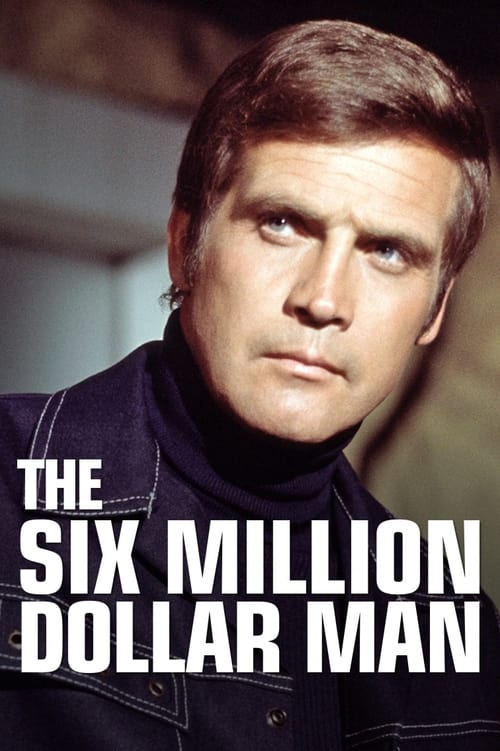
1973

1973
No reviews yet. Be the first to share your thoughts on this movie!
Use the rating form above to leave a star rating and optional review.