
It’s Only Make Believe
2013
No user ratings available yet
Representation score: 8.0 out of 10

Representation Score
Fair
2012
Director
Lars-Gunnar Lotz
Runtime
93 minutes
Average Rating
No ratings yetNew Showbiz Analysis
Shifting the Blame is a psychological drama that emphasizes systemic critique over diverse representation. It successfully upends traditional power structures by placing a female victim in a position of institutional authority over her former aggressor. However, the film lacks visible markers of progressive casting. The narrative focus is narrow, centered on a specific interpersonal conflict rather than a broad range of identities or cultural backgrounds. Ultimately, the work serves as a study of social realism and judicial failure. It provides depth in its exploration of morality but remains limited in its portrayal of broader social identities.
Category Breakdown
The film does not explicitly depict LGBTQ+ identities or relationships outside of heterosexual norms. The story focuses on the tension between the protagonist and the house-mother.
Eva holds institutional authority as a house-mother, challenging traditional gender roles. Her past as the protagonist's victim complicates her current role.
There is no information about the racial or ethnic makeup of the characters or staff. The setting hints at a possibly homogeneous social environment.
The story questions traditional justice systems by highlighting rehabilitation within an open-prison setting. It delves into moral relativism through the lens of restorative justice.
There is no indication of visible or invisible disabilities or neurodivergence in the narrative. No characters use disability as a plot device.
Present on Screen
Limited or Absent
Official Synopsis
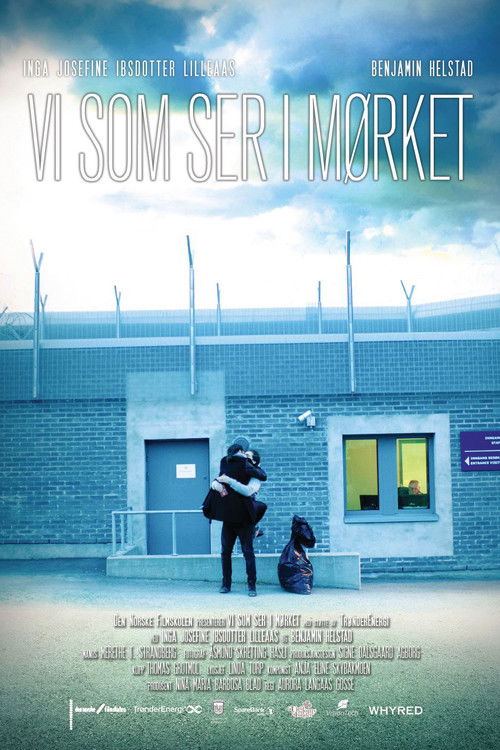
In a project with the concept of open-prison, Benjamin is given the unique chance of a new beginning. As one of seven juvenile offenders he should adopt social skills and experience security in a family-like community. But when he meets his house-mother Eva, he is shocked. She was one of his victims, but cannot recognize him because he was hidden by a mask. His brutal assault on her was never resolved. Ben does his best not to attract attention. But Eva's suspicion is aroused.
2013

2023
2014

2014

2008

2003
2009

2004
No reviews yet. Be the first to share your thoughts on this movie!
Use the rating form above to leave a star rating and optional review.