
Mahana
2016
No user ratings available yet
Diversity score: 6.3 out of 10
2017
Director
Michael Mooleedhar
Runtime
102 minutes
Average Rating
No ratings yetSynopsis
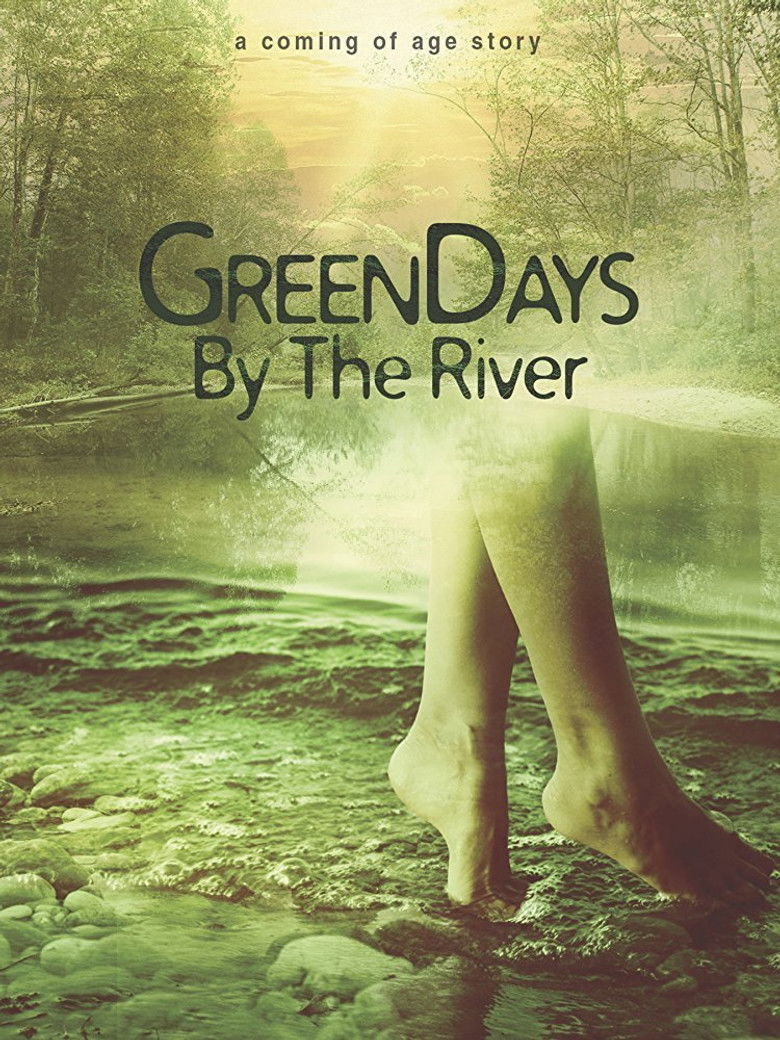
Green Days by the River is one of the most best-loved works of Caribbean literature. Written by lauded Trinidadian author Michael Anthony in 1967, the book illuminates the formative years of a boy growing up on the island. This coming of age story has enthralled readers all over the world for decades, and it is now being brought to life . For the first time, this beloved tale will be brought to film screens, introducing a whole new generation to the wonder of a country and a boy on the cusp of great change. This film seeks to break new ground in Caribbean film-making, showcasing the rich talent and boundless promise of our people.
Overall Score
Good
Category Breakdown
LGBTQ+ Representation
The film lacks LGBTQ+ characters or non-heteronormative storylines. The central conflict focuses on traditional romantic tensions within a heteronormative social structure.
Gender Representation
The narrative centers the agency of the female lead, Shanti. She navigates patriarchal and familial constraints, offering a nuanced exploration of female autonomy within a traditional setting.
Racial & Ethnic Diversity
The film features a predominantly Indo-Trinidadian cast, providing high agency to characters of color. This choice avoids tokenism by presenting a deeply textured, culturally specific reality.
Religious & Cultural Diversity
The story explores identity through a community navigating Caribbean heritage. It prioritizes local cultural nuances over Western archetypes, focusing on the tension between individual desire and communal tradition.
Disability Representation
There are no prominent depictions of visible or invisible disabilities within the narrative.
Strengths
Areas for Improvement
AI Analysis
Green Days by the River is a significant contribution to regional storytelling, prioritizing ethnic depth and authenticity. By adapting a cornerstone of Trinidadian literature, the film elevates a narrative that has historically been sidelined by Western-centric cinema. The film's greatest achievement is its racial architecture. It avoids color-blind casting in favor of a deliberate, culturally grounded portrayal of Indo-Trinidadian life in a rural 1960s setting. While the story operates within traditional romantic and social frameworks, it remains progressive by centering marginalized identities. It successfully disrupts Western narrative hegemony by validating the specificities of the Caribbean experience.
2016
1991
1985
2018
2019
2016
2011
1974
1973
1991
1997
2018
No reviews yet. Be the first to share your thoughts on this movie!
Use the rating form above to leave a star rating and optional review.