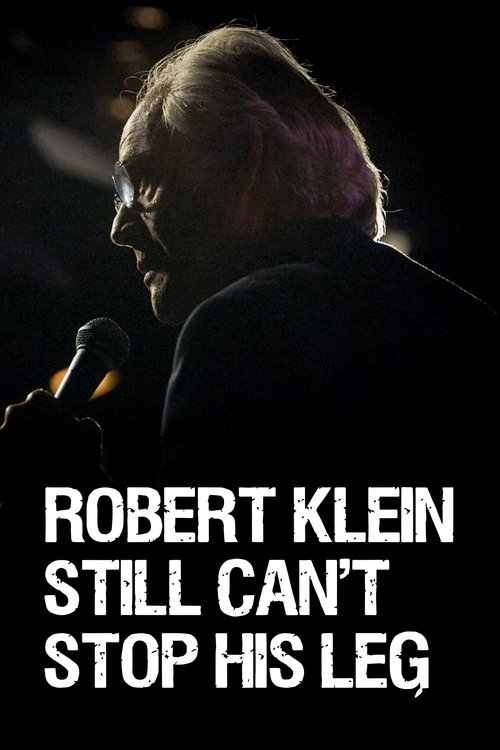
Robert Klein Still Can't Stop His Leg
2016
No user ratings available yet
Representation score: 4.3 out of 10
Representation Score
Limited
2026
RDirector
Judd Apatow
Runtime
127 minutes
Average Rating
No ratings yetNew Showbiz Analysis
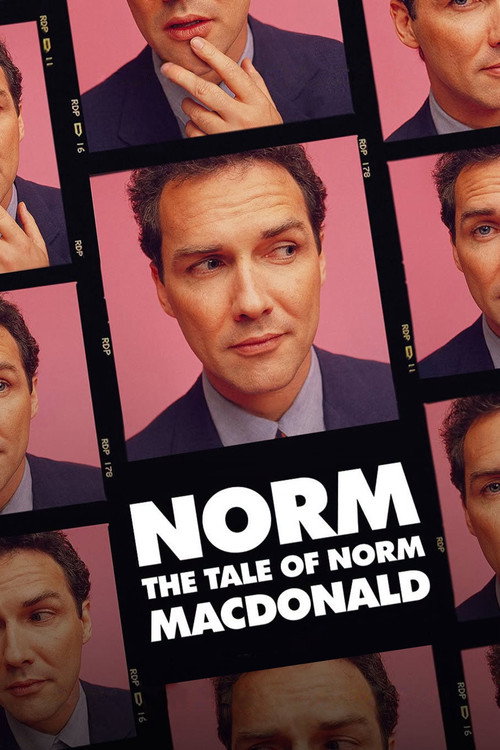
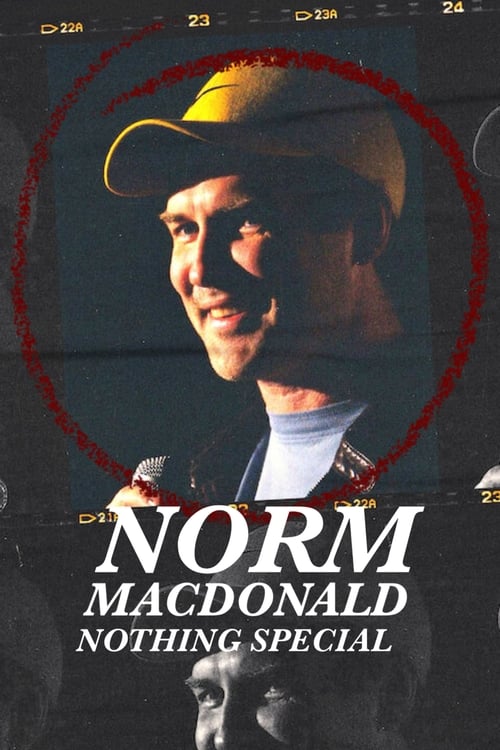
The film opens with the grainy, high-contrast image of Norm Macdonald on a dimly lit stage, his lanky frame still as a statue while the audience roars. This visual establishes the documentary’s core argument: that Macdonald’s power lay in his stillness, a deadpan authority that contrasted sharply with the manic energy of his peers. Judd Apatow directs this tribute not as a critical examination of the comedy industry, but as a eulogy for a specific era of American stand-up. The camera lingers on Macdonald’s face with a reverence that borders on hagiography, treating his talent as an unassailable moral fact rather than a subject for debate. The sold meaning is one of uncompromising artistic integrity. Macdonald is presented as the "uncompromising" figure who refused to bend to the industry’s demands, a narrative that reinforces traditional meritocratic ideals. The film’s internal logic, however, pulls apart when it juxtaposes this rigid individualism with the warm, communal bonds between Macdonald and figures like Adam Sandler and Jim Carrey. The film argues that his greatness was solitary, yet the pictures show a man deeply embedded in a network of male friendships. This tension is never resolved; instead, the film allows the legend to absorb the contradictions, printing a myth of the lone genius who was, in fact, a central node in a tight-knit brotherhood. The ending settles on a montage of final performances and personal moments, rewarding the audience with a sense of closure rather than critical insight. The last image is not a challenge to the status quo but a reaffirmation of it: the great man is gone, and his legacy is secure. The film does not ask who was excluded from this "golden age" or how the industry’s hierarchies shaped who got to be a legend. It simply mourns the loss, treating the absence of diversity and the dominance of white male voices as natural, inevitable features of the landscape. The camera loves the legend, not the system that built it, leaving the viewer with a warm, unchallenged nostalgia for a time that was, in its own way, perfectly ordinary.
Category Breakdown
The narrative excludes queer identities entirely. The film tracks professional male friendships and stand-up history. No relationships or discussions appear in the billed cast or archive footage.
Jane Fonda appears as a respected peer in archive clips. The structure centers male comedians exclusively. Women are not the problem or prize, but their absence reinforces the industry’s traditional male hierarchy.
The cast is uniformly white, reflecting 1990s stand-up demographics. Whiteness is unmarked and assumed as the default aesthetic. No non-white comedians are featured, discussed, or positioned as central to the history.
The comedy club and television studio serve as primary cultural institutions. The film celebrates merit-based achievement and the specific "golden age" of American stand-up. Traditional hierarchies of fame are upheld without critique.
Norm Macdonald’s lung cancer is mentioned only as the cause of his death. The film focuses on his prime performance years. There is no exploration of disability as identity or a site of moral complexity.
Present on Screen
Limited or Absent
Official Synopsis
Go down a wormhole in this documentary on master of deadpan humor Norm Macdonald, whose life and career were uncompromising yet full of contradictions.
2016
2025

2017
2011
2021
2017
2022
2018
No reviews yet. Be the first to share your thoughts on this movie!
Use the rating form above to leave a star rating and optional review.