Terror on Tape
1985
No user ratings available yet
Representation score: 2.5 out of 10
Representation Score
Fair
1987
Not RatedDirector
Jim Monaco
Runtime
83 minutes
Average Rating
No ratings yetNew Showbiz Analysis
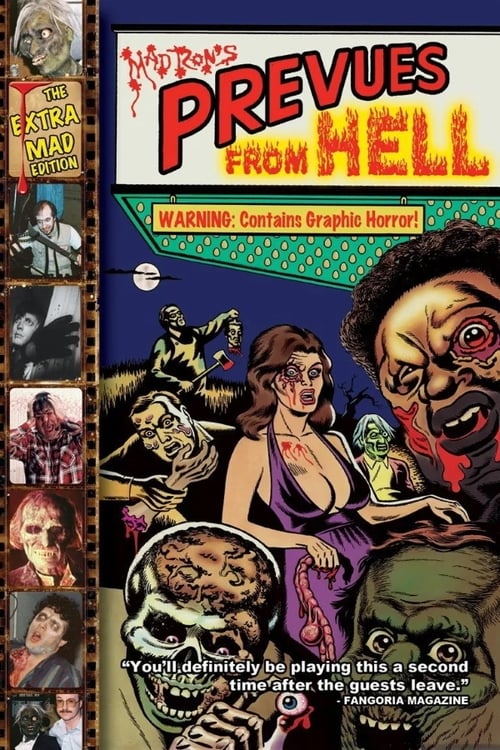
Mad Ron's Prevues from Hell operates as a collage of horror and exploitation trailers. Its diversity is largely a result of its compilation format, which draws from a wide variety of genre clips. This allows for a broader spectrum of racial and ethnic casting compared to a single-narrative film. However, the film lacks a cohesive narrative intention. Characters, including the neurodivergent Mad Ron, often serve as grotesque comedic figures rather than individuals with substantial roles. The representation feels more like a collection of genre aesthetics than a structured exploration of identity. Ultimately, the work excels in visual variety but falls short in providing deep, storytelling that reflects multiple aspects of identity. It celebrates subcultural chaos and rebellion, yet remains tied to the traditional objectification and clichés common in 1980s cult cinema.
Category Breakdown
The film highlights Mad Ron and a zombie audience instead of focusing on specific LGBTQ+ narratives. Any LGBTQ+ presence seems incidental to the film's overall aesthetic rather than being a central theme.
The lowbrow comedic structure relies on exploitation clichés from the 1980s, which often objectify women. There is no clear indication of challenging traditional gender roles within the main storyline.
The compilation format naturally includes a wide range of actors from different races through various horror trailers. This inclusion suggests a blend of diverse racial backgrounds that goes beyond a narrow Anglo-Saxon perspective.
The setting of a zombie theater disrupts traditional social order and civility. The film emphasizes subcultural rebellion and deranged behavior over mainstream Western social norms.
Mad Ron is portrayed as a deranged character, fitting into madcap or grotesque comedy clichés. These depictions risk functioning as stylistic devices rather than nuanced representations of disability.
Present on Screen
Limited or Absent
Official Synopsis
Deranged projectionist Mad Ron shows a movie theater full of rowdy zombies a diverse assortment of horror and exploitation film trailers from his private collection while ventriloquist Nick Pawlow and his foul-mouthed zombie dummy Happy Goldsplatt provide lowbrow comic relief.
1985

1993
2011
1988
2006
2006
1986
2013
No reviews yet. Be the first to share your thoughts on this movie!
Use the rating form above to leave a star rating and optional review.