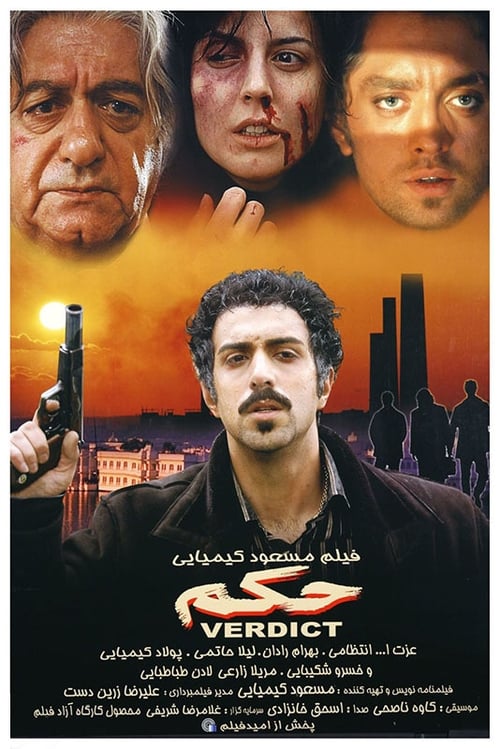
Verdict
2005
No user ratings available yet
Representation score: 1.9 out of 10
Representation Score
Good
2019
Director
Narges Abyar
Runtime
131 minutes
Average Rating
No ratings yetNew Showbiz Analysis
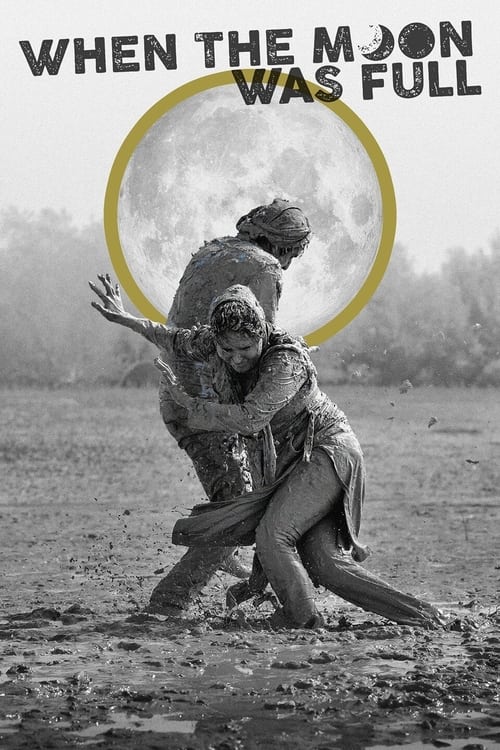
Narges Abyar’s film is a sophisticated sociological study that examines the tension between individual ability to act and entrenched traditionalism. It centers on the intersection of disability, regional identity, and the critique of social hierarchies. The film's strength lies in its ethnographic depth and its refusal to treat disability as a mere source of inspiration. Instead, it treats physical differences as a lens through which to view systemic social stigma. However, the film lacks representation for LGBTQ+ identities. While it offers a powerful critique of patriarchal and superstitious structures, the narrative remains tethered to a traditionalist framework that excludes non-assuming gender matches what was assigned at birth perspectives.
Category Breakdown
The film does not include any explicit LGBTQ+ characters or identities. Its narrative focuses on the survival and social navigation of its protagonists within a traditional framework.
The film highlights the struggles of women and children under rigid social expectations. It portrays the female experience as a fight for autonomy against traditional gender roles.
The story provides depth by showcasing the Sistan and Baluchestan province. It avoids monolithic depictions, offering a complex look at regional identity and the realities of border life.
The film critiques traditional institutions and folk superstitions as oppressive forces. It portrays local authority and traditional beliefs as sources of social harm and isolation for underrepresented individuals.
The film depicts physical disability as a central social reality rather than a plot device. It explores how disability intersects with superstition to create layers of isolation.
Present on Screen
Limited or Absent
Official Synopsis
In the market Abdolhamid meets Faezeh and falls in love with her. They get marry and begin their life. But after a while Faezeh becomes aware of Abdolhamid's family in Sistan and Baluchestan province and that they are doing illegals. Faezeh decides to escape with her husband to Pakistan but there they meet Abdolhamid's brother Abdolmalek Rigi who is a terrorist.
2005

2009
1971
2016
2012
2022

2020

2021
No reviews yet. Be the first to share your thoughts on this movie!
Use the rating form above to leave a star rating and optional review.