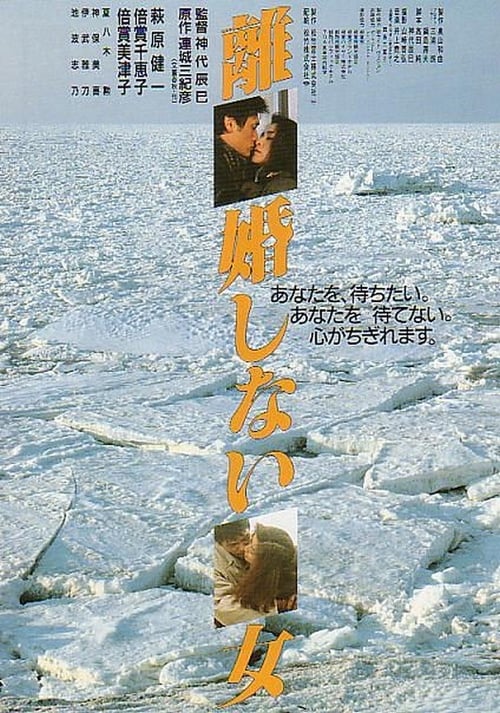
Women Who Do Not Divorce
1986
No user ratings available yet
Representation score: 6.2 out of 10
Representation Score
Limited
1982
Director
Jeong In-yeob
Runtime
102 minutes
Average Rating
No ratings yetNew Showbiz Analysis
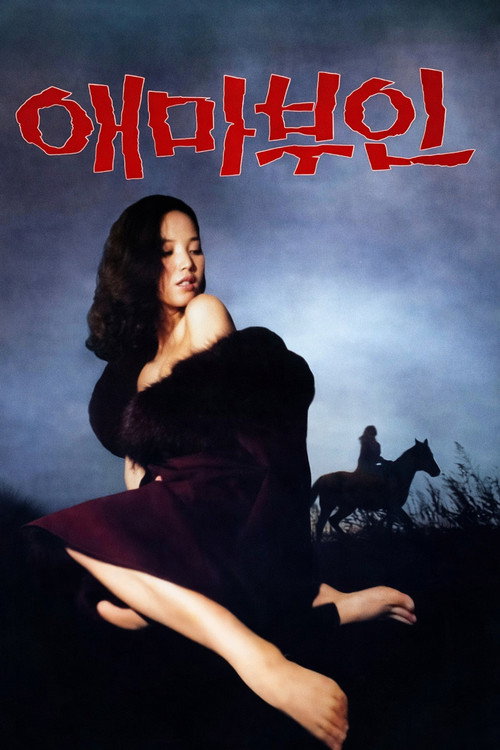
Madame Aema's story centers on a woman's subjective experience within a restrictive social era. The film uses the erotic melodrama genre to challenge the patriarchal constraints of 1980s South Korea. By focusing on Su-bi's rejection of her husband's preferences and her quest for 'pure love,' the film highlights a significant shift from duty to autonomy. However, the film lacks diversity in other areas. It remains culturally homogeneous and does not represent LGBTQ+ identities or multi-ethnic perspectives.
Category Breakdown
The story focuses solely on heterosexual relationships and does not include any LGBTQ+ narratives or non-cisgender identities.
Su-bi's pursuit of emotional autonomy and sexual awakening challenges traditional Confucian hierarchies. The film emphasizes her internal desires rather than her role as a submissive wife.
The cast is culturally homogeneous, reflecting a localized South Korean setting. It avoids globalized clichés by maintaining authentic cultural specificity.
The narrative critiques traditional marriage by presenting it as a source of anguish. It suggests personal fulfillment may outweigh rigid social contracts.
No visible or invisible disabilities are portrayed as central to the character arcs within the narrative.
Present on Screen
Limited or Absent
Official Synopsis
Oh Su-bi's husband, Shin Hyun-wu, is in jail for involuntary homicide. For the past two years, Su-bi has visited her husband every week. Though she is anguished by Hyun-wu's affairs, Su-bi is unable to divorce him even though everyone thinks she should. While visiting her husband, Su-bi meets Kim Dong-yub, a student of art, and feels his sincerity. One day, Su-bi runs into an old boyfriend, Kim Mun-ho, who lives in the same apartment complex. They engage in an affair. However, Su-bi is unable to bear the perverted sexual preferences of Mun-ho. She goes to Dong-yub and engages in a pure love. Hyun-wu asks for a divorce. When Su-bi is in the country, Dong-yub comes to her and promises to take her to France. However, the day they are supposed to leave for France, Hyun-wu is released from jail on a special pardon. Though she was on her way to Dong-yub, Su-bi finds herself greeting Hyun-wu, unable to free herself from the shackles of marriage.
1986

2007
1968

1989
1981

1988

2002
1976
No reviews yet. Be the first to share your thoughts on this movie!
Use the rating form above to leave a star rating and optional review.