
Harmony
2015
No user ratings available yet
Representation score: 8.6 out of 10
Representation Score
Fair
2010
TV-14Director
Junichi Fujisaku
Runtime
99 minutes
Average Rating
No ratings yetNew Showbiz Analysis
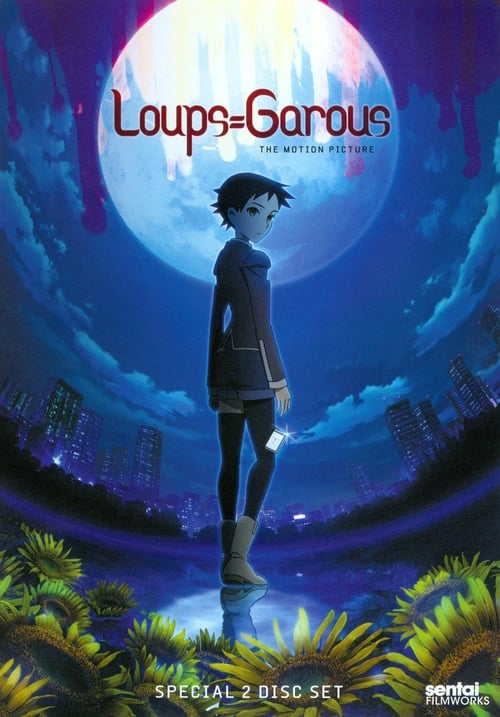
Loups=Garous succeeds as a character-driven thriller by challenging traditional gender roles. By placing the investigative burden on female protagonists, it moves away from conventional masculine protection narratives. The film's strength lies in its critique of systemic issues. It uses a speculative future to explore how hyper-connectivity and surveillance can erode community and individual morality. However, the film remains limited in its range of identities. The absence of explicit LGBTQ+ markers and the homogeneous racial landscape prevent a higher diversity score.
Category Breakdown
The story focuses on the strong personal connections between three female characters. Although their romantic relationships are not clearly defined, their private conversations hint at emotional bonds that go beyond typical heterosexual relationships.
The film challenges traditional gender roles by giving narrative ability to act to young women. Instead of being passive, the protagonists actively drive the plot through their intelligence and investigative skills.
The setting appears to be a homogeneous, near-future Japanese society. While it lacks diverse casting, the film avoids harmful stereotypes by highlighting the impact of digital pressures on individuals.
The narrative provides a sophisticated look at how technology affects traditional social structures. It portrays a digitalized, totalitarian society as a corrupting and isolating force.
The film examines the psychological effects of isolation and reduced real-world interaction. However, it does not feature specific visible or invisible disabilities as central elements of the characters' stories.
Present on Screen
Limited or Absent
Official Synopsis
Virtual reality. Murder. Werewolves. And teen girls! In a future where nothing is as it seems, can old legends come true? In the near future, humans will communicate almost exclusively through monitors, making real interaction a rarefied and weak occurrence for those living in a near totalitarian society. In this new world of communication, children are only allowed to interact personally on school grounds. So when a serial killer starts slaughtering junior high children the communication routes go under further surveillance. And despite all the safeguards put in place to avoid physical interaction, the killer's latest victim turns out to have been in contact with three young girls: Tsuzki Mio, a certified prodigy; Matsuno Hatsuki, a quiet but opinionated classmate; and Kouno Ayumi, her best friend. And as the girls get caught up in trying to quell curiosity under such terrorist scrutiny, Hatsuki learns that there is much more than meets the eye of their monitored communications.
2015
2001

2012
2010

2007

2012

2011

2010
No reviews yet. Be the first to share your thoughts on this movie!
Use the rating form above to leave a star rating and optional review.