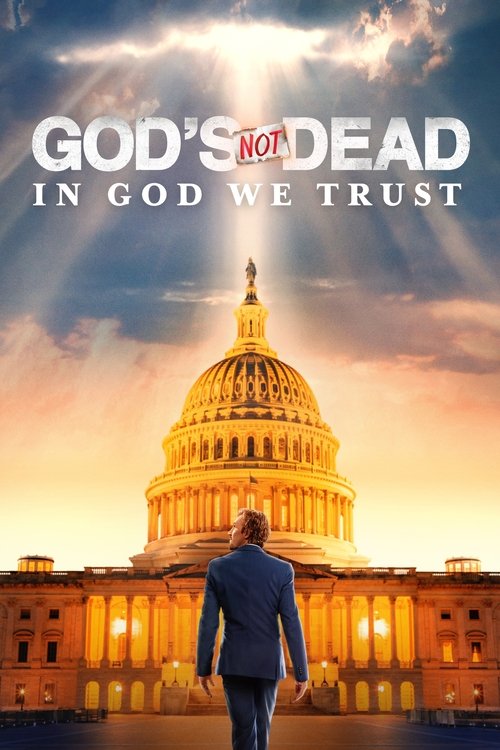
God's Not Dead: In God We Trust
2024
No user ratings available yet
Representation score: 1.2 out of 10

Representation Score
Minimal
2021
PGDirector
Vance Null
Runtime
91 minutes
Average Rating
No ratings yetNew Showbiz Analysis
The film serves as a preservationist narrative, aiming to maintain established religious, gender, and nationalist norms. It avoids complex intersections in favor of a conservative structure. By focusing on a homogeneous, white, patriarchal community, the film resists modern social changes. Ultimately, it aims to reinforce traditional family dynamics and moral absolutes without challenging existing social hierarchies.
Category Breakdown
The film doesn't include any LGBTQ+ characters or same-sex relationships. It portrays LGBTQ+ rights as part of the secular influence that the main characters oppose.
The film emphasizes masculinity through male leaders and protector roles. It upholds traditional patriarchal structures and gender hierarchies.
The cast is mostly white and Anglo-Saxon. The story centers on a homogeneous community aligned with a specific traditional cultural identity.
The film highlights Christian morality against secular institutions. It presents government and public education as threats to religious freedom.
The film does not feature any characters with visible or invisible disabilities playing key roles in the story.
Present on Screen
Limited or Absent
Official Synopsis
Reverend Dave has to defend himself and a group of Christian homeschooling families after an inspection by local government officials.
2024
2019

2016
2023
2016
2014
2019

2015
No reviews yet. Be the first to share your thoughts on this movie!
Use the rating form above to leave a star rating and optional review.