The Illusionist
2010
No user ratings available yet
Diversity score: 3.6 out of 10
2011
Not RatedDirector
Tomáš Luňák
Runtime
84 minutes
Average Rating
No ratings yetSynopsis
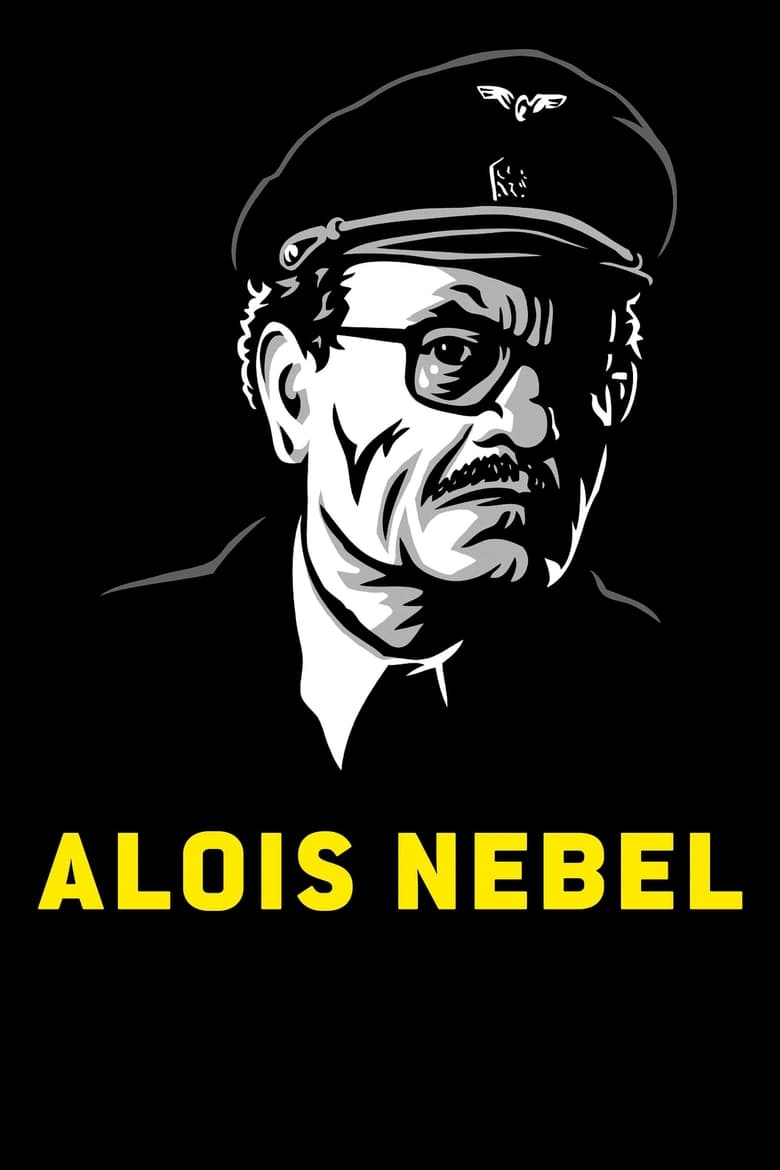
A train dispatcher encounters a mute stranger who appears out of nowhere, and finds himself mysteriously involved with a murder in Poland. The end of the eighties in the twentieth century. Alois Nebel works as a dispatcher at the small railway station in Bílý Potok, a remote village on the Czech–Polish border. He's a loner, who prefers old timetables to people, and he finds the loneliness of the station tranquil – except when the fog rolls in. Then he hallucinates, sees trains from the last hundred years pass through the station. They bring ghosts and shadows from the dark past of Central Europe. Alois can’t get rid of these nightmares and eventually ends up in sanatorium. In the sanatorium, he gets to know The Mute, a man carrying an old photograph who was arrested by the police after crossing the border. No one knows why he came to Bílý Potok or who he’s looking for, but it is his past that propels Alois on his journey…
Overall Score
Fair
Category Breakdown
LGBTQ+ Representation
The film lacks LGBTQ+ characters or non-heteronormative identities. The narrative focuses on the protagonist's isolation and his interactions with a stranger within a historical framework.
Gender Representation
The story operates in a male-dominated industrial railway setting. Women are largely absent from the central plot or relegated to the periphery of the post-war landscape.
Racial & Ethnic Diversity
The film explores ethnic displacement and the fluidity of national identity. It centers on the expulsion of ethnic Germans and the shifting Czech-Polish borders.
Religious & Cultural Diversity
The narrative critiques traditional nationalist structures and the chaos of post-war Central Europe. It portrays state institutions as agents of upheaval rather than stability.
Disability Representation
Alois’s hallucinations and institutionalization provide a nuanced portrayal of mental health. His psychological instability mirrors the fractured historical state of the region.
Strengths
Areas for Improvement
AI Analysis
Alois Nebel is a profound exploration of historical trauma, using animation to connect individual psychological struggles with the geopolitical shifts of Central Europe. It succeeds most in its sophisticated treatment of ethnicity and the deconstruction of nationalistic myths. However, the film is limited by a narrow demographic scope. The heavy focus on male-dominated industrial spaces and the absence of queer identities or significant female agency prevents a more balanced representation. Ultimately, the film's strength lies in its ability to treat identity as a fluid, often traumatic construct, even if it remains confined to specific historical and gendered contexts.
2010
2007

1994
2011
1985

2009
1999

2022
No reviews yet. Be the first to share your thoughts on this movie!
Use the rating form above to leave a star rating and optional review.