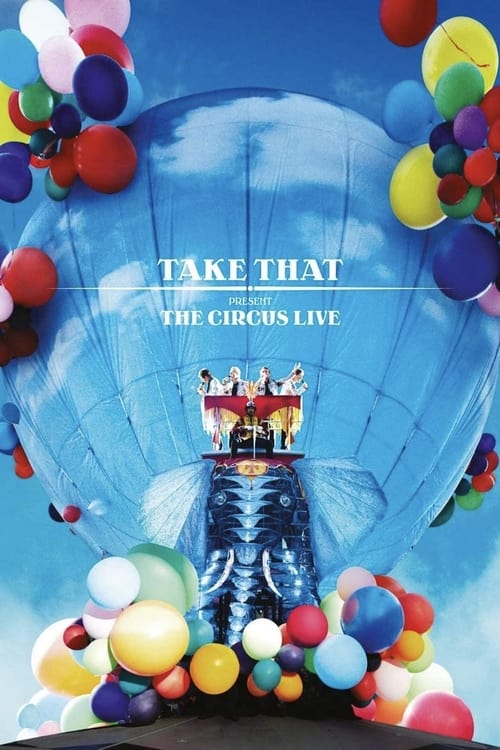
Take That: The Circus Live
2010
No user ratings available yet
Representation score: 3.2 out of 10
Representation Score
Limited
2011
NRRuntime
137 minutes
Average Rating
No ratings yetNew Showbiz Analysis
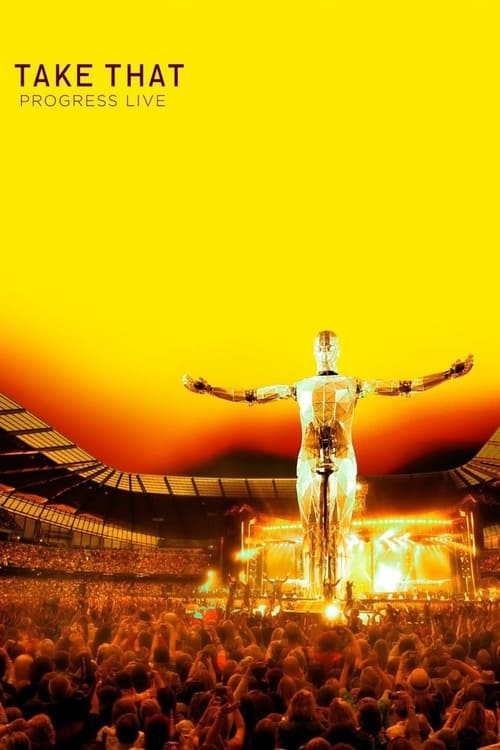
Take That: Progress Live is a high-production musical event that emphasizes nostalgia and spectacle over narrative subversion. The film captures a massive reunion tour, focusing on the band's discography and the communal experience of stadium audiences. Because it is a concert documentary, it lacks the structural capacity for complex socio-political themes or character arcs. The representation remains conventional, reflecting the commercial pop industry standards of the early 2010s. The central cast is homogeneous, and the production follows traditional masculine and Western pop clichés. While it serves as a significant cultural moment for fans, it does not actively challenge existing social hierarchies.
Category Breakdown
The film highlights the musical legacy of Take That without delving into LGBTQ+ narratives. Howard Donald adds a layer of representation, but the production doesn't emphasize non-traditional gender identities.
The production centers on an all-male group, reinforcing traditional masculinity. Gender dynamics are shaped by male performers interacting with a predominantly female audience.
The performers are a homogeneous white group, typical of mainstream pop standards from the early 2010s. The central spectacle lacks intentional racial diversity.
The film celebrates mainstream Western pop culture and commercial success. It adheres to traditional celebratory norms without engaging in cultural critiques or systemic issues.
There is no documented evidence of performers or characters with visible or invisible disabilities in this concert film.
Present on Screen
Limited or Absent
Official Synopsis
This year Take That embarked on the biggest tour the UK and Ireland had ever seen breaking all previous records. The Progress Live Tour went through 29 UK stadiums and played to over 1.8 million people. Progress Live 2011 tour, was one of the biggest and most anticipated reunions of the summer, with Gary Barlow, Howard Donald, Jason Orange, Mark Owen and Robbie Williams, playing to massive sell-out audiences around the UK and Ireland.
2010
2008
2008
2000
2010
2000
2011
2012
No reviews yet. Be the first to share your thoughts on this movie!
Use the rating form above to leave a star rating and optional review.