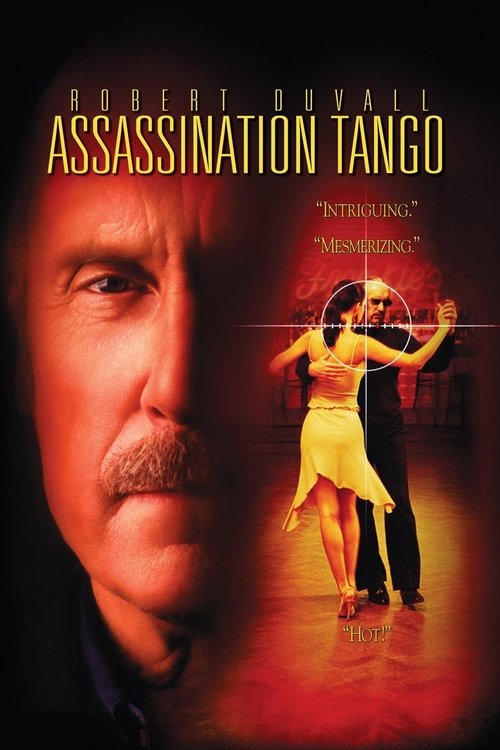
Assassination Tango
2003
No user ratings available yet
Representation score: 6.9 out of 10

Representation Score
Fair
1991
RDirector
Walter Salles
Runtime
100 minutes
Average Rating
No ratings yetNew Showbiz Analysis
High Art functions as a sophisticated study of systemic instability rather than a standard thriller. It succeeds by immersing the viewer in a world where traditional moral and social structures are depicted as ineffective or corrupt. The film avoids a sanitized view of its setting, opting instead for a complex, situational ethics approach. The narrative's strength lies in its refusal to provide a moralistic lens, which allows for a more nuanced exploration of its South American setting. This approach facilitates a deeper engagement with the friction between individual identity and volatile environments. However, the film's focus on a male protagonist and the vulnerability of its female characters limits its impact on gender ability to act. While the setting provides fertile ground for diverse identities, the specific representation of LGBTQ+ characters remains unconfirmed.
Category Breakdown
The film explores bohemian lifestyles and non-traditional social structures within an underworld setting. While these spaces suggest diverse identities, the narrative lacks explicit confirmation of specific LGBTQ+ identities or romantic arcs.
The plot centers on the investigation of a female victim, placing the female experience at the heart of the mystery. However, women's ability to drive the story is often tied to their vulnerability within a male-dominated, exploitative system.
By placing a North American protagonist in a South American landscape, the film avoids Anglo-centric clichés. This cross-cultural intersection disrupts the depiction of homogeneous Western environments through local socio-economic friction.
The film offers a gritty, realistic portrayal of systemic corruption and moral relativism. It critiques Western-style order by highlighting the chaotic, subjective morality found within the South American underworld.
There is no documented evidence regarding the inclusion or portrayal of characters with physical or neurodivergent disabilities in this narrative.
Present on Screen
Limited or Absent
Official Synopsis
Peter Mandrake, a North-American photojournalist becomes embroiled in South America's dangerous underworld of pimps, drug gangs and arms smugglers when he sets out to find the killer of a local call girl.
2003

2000

1994
1982
2002
1986
1991

1980
No reviews yet. Be the first to share your thoughts on this movie!
Use the rating form above to leave a star rating and optional review.