
Cruise on Kubrick
1999
No user ratings available yet
Diversity score: 1.0 out of 10
2003
Director
Donatello Dubini, Fosco Dubini
Runtime
96 minutes
Average Rating
No ratings yetSynopsis
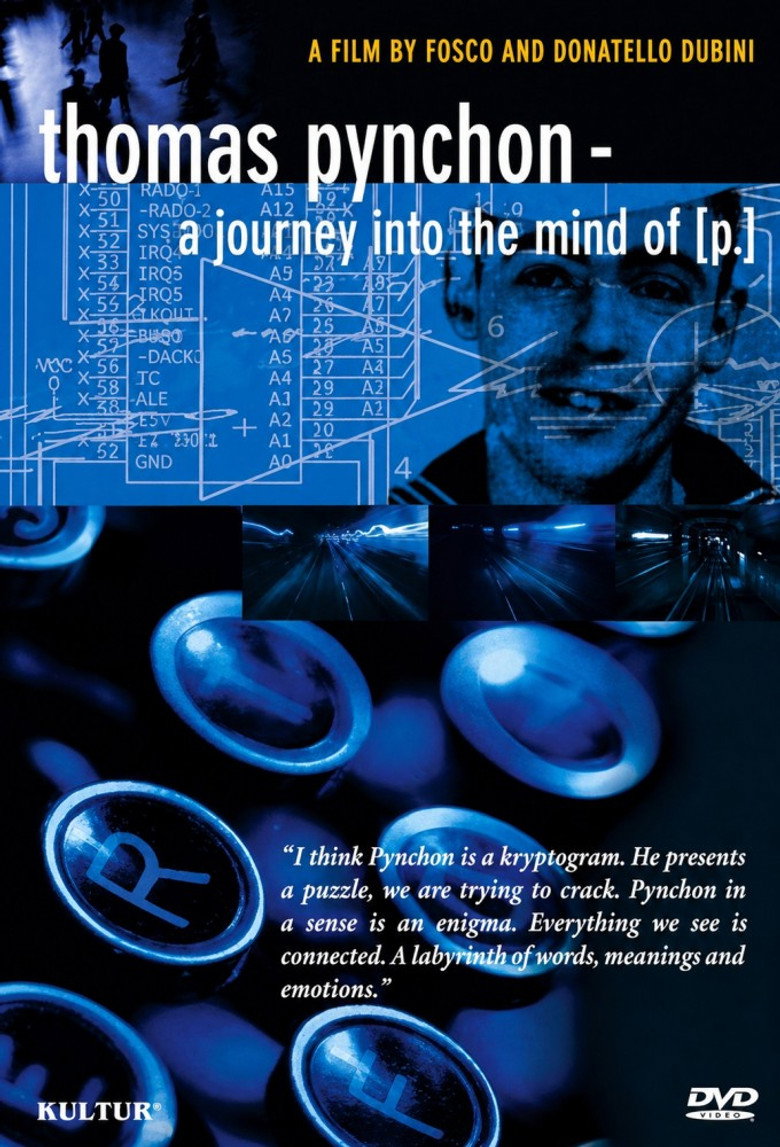
Thomas Pynchon is a best-selling American novelist, who, unlike the vast majority of his peers, has eschewed the limelight with near-fanatical determination since the 1960s. This film compiles testimonies and evidence culled from Pynchon's fans and colleagues, investigating the enigmatic writer's background and speculating on his motivations.
Overall Score
Fair
Category Breakdown
LGBTQ+ Representation
The film lacks explicit mention of LGBTQ+ characters or themes. It likely touches on non-normative identities through literary analysis of Pynchon's work, but provides no direct representation.
Gender Representation
The documentary focuses on a singular male subject. There is no evidence regarding the agency of female subjects or the subversion of gender hierarchies within the film's structure.
Racial & Ethnic Diversity
The racial composition of contributors remains unconfirmed. There is no evidence of significant erasure or intentional intersectional casting in this biographical investigation.
Religious & Cultural Diversity
The narrative centers on postmodernism, a movement that critiques Western institutions and centralized authority. This suggests an anti-establishment perspective rather than traditional societal integration.
Disability Representation
No information is available regarding the depiction of neurodivergence or physical disabilities within this work.
Strengths
Areas for Improvement
AI Analysis
This documentary serves as a biographical inquiry into the life and psyche of Thomas Pynchon. While it lacks overt demographic representation, its intellectual foundation is rooted in postmodernism and the critique of systemic structures. The film's strength lies in its thematic alignment with progressive frameworks that deconstruct grand narratives. However, it functions primarily as a study of a single male icon, offering little visible diversity. Ultimately, the work is likely intellectually sophisticated but lacks the explicit, visible markers required for a higher diversity rating.
No reviews yet. Be the first to share your thoughts on this movie!
Use the rating form above to leave a star rating and optional review.